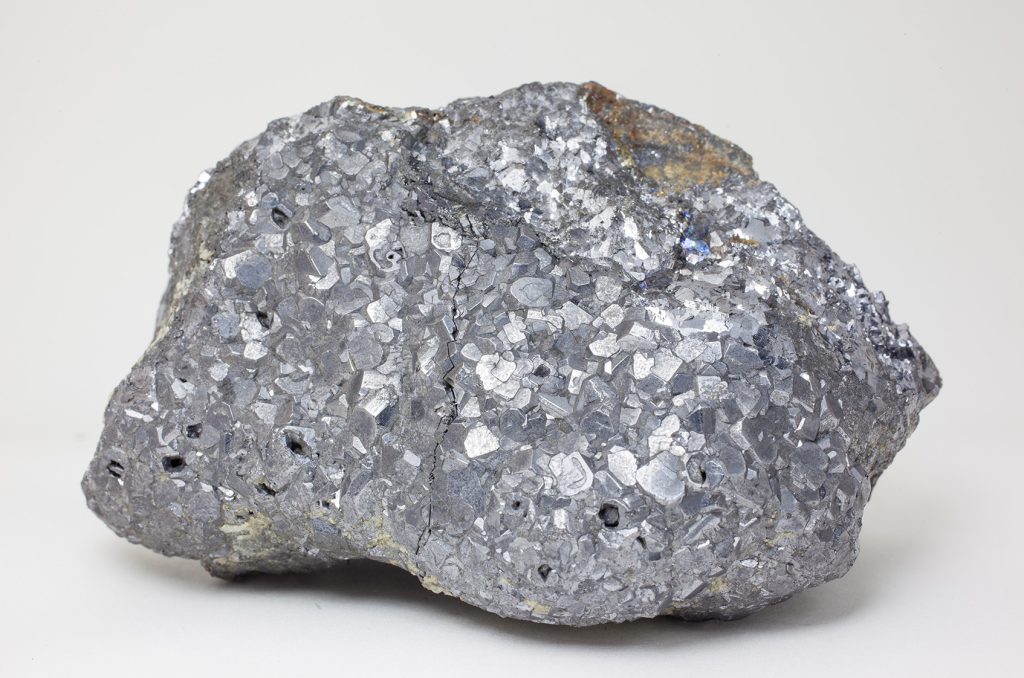
Zinc (chemical symbol Zn) is a chemical element that belongs to Group 12 of the periodic table. After iron, aluminum, and copper, it is the most commonly used metal in the world and has important industrial and biological applications. Zinc is critically important for plants and animals, and many bodily functions in humans depend on it; from the creation of new cells and enzymes to the processing of carbohydrates and fats, zinc is essential.
Zinc is one of the non-ferrous metals with a long history of use that dates back centuries. Many prehistoric artifacts discovered were made of zinc, indicating its ancient origins. Countries like India and China were extracting zinc over a thousand years before Christ, making them among the first discoverers of zinc in Asia. In the West, the German chemist Andreas Marggraf discovered zinc in 1746. Thus, zinc has been used as a base metal in various critical industries for centuries.
Zinc has a wide range of applications, including:
Zinc is a soft metal with a bluish-silver coloration. It has low tensile strength and is considered brittle, hence it is not used in load-bearing applications. In other words, zinc is very soft and has minimal resistance, though its alloys tend to be stronger. Additionally, zinc (Zn) has a hexagonal crystalline structure and lower density compared to iron. In terms of flexibility, it becomes conductive and malleable within the temperature range of 212 to 302 degrees Fahrenheit. Overall, zinc has average conductivity but possesses suitable chemical properties.
Zinc is produced from sulfide ore containing cadmium, lead, iron, silver, etc. This ore is abundantly found in countries such as China, Japan, Australia, and North American and South American countries. Iran also has the necessary reserves for sulfide ore extraction. There are two main processes for producing zinc:
More than 90% of the zinc produced worldwide comes from the electrolytic process, which includes several stages: ore concentration, roasting of ore, converting zinc oxide to sulfate, and electrolyzing the zinc sulfate solution.
The thermal process is carried out using ISF furnaces. However, this method is avoided in Europe due to excessive gas emissions and high energy consumption; the electrolytic process is preferred. In this method, zinc and lead are obtained from the concentrates.
Kala Tejarat Haft Almas Company, emphasizing diversity and differentiation in its products, offers various forms of zinc, including ore and ingot in high tonnages. With ownership of a zinc mine, the company provides a range of zinc products such as ore, concentrate, slag, cakes, and ingots with grades of 99.96% to 99.99% based on customer requirements. The increase in production capacity and the use of the latest crushing and grading technologies have allowed the company to present its products at competitive prices and distinctive quality in the market. For price inquiries and order placements for zinc sales, please contact us.