
09925558744
Iran - Zanjan, Chaharrah Amir Kabir, Amir Kabir Building, 2nd Floor, Unit 202
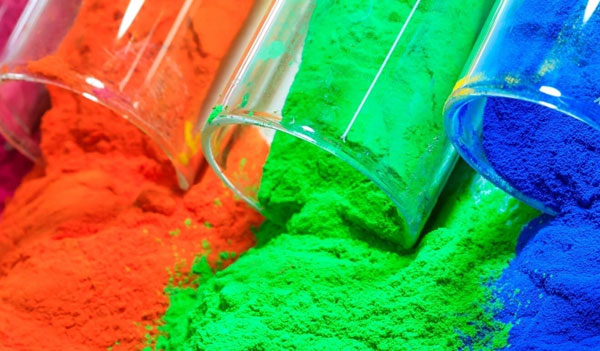
Manganese sulfate is a mineral salt with the chemical formula MnSO₄, often found as a heptahydrate. It is a pale pink solid that serves as a precursor to manganese metal and many other chemical compounds
Typically, manganese ore is purified by converting it into MnSO₄. Aqueous solutions of manganese sulfate are treated with sodium carbonate to precipitate manganese carbonate, which can then be calcined to produce manganese oxides (MnOx). In the laboratory, manganese sulfate can be prepared by treating manganese dioxide with sulfur dioxide
MnO₂ + SO₂ + H₂O → MnSO₄ (H₂O)
It can also be produced by mixing potassium permanganate with sodium bisulfate and hydrogen peroxide. MnSO₄ is a byproduct of various industrial oxidation processes that use manganese dioxide, such as the production of hydroquinone and anisaldehyde
Electrolysis of MnSO₄ produces manganese dioxide, known as electrolytic manganese dioxide (EMD). Alternatively, oxidation of this compound with potassium permanganate yields chemical manganese dioxide (CMD). These materials, especially EMD, are used in dry-cell batteries.
Another method for producing manganese sulfate involves the chemical reaction of pyrolusite (MnO₂) with sulfur dioxide-containing gases, where sulfur gas reacts directly with manganese dioxide to produce manganese sulfate
Kala Tejarat Seven diamond Company offers high-purity manganese sulfate tailored to customer requirements. For price inquiries and order placement, contact us for manganese sulfate sales.
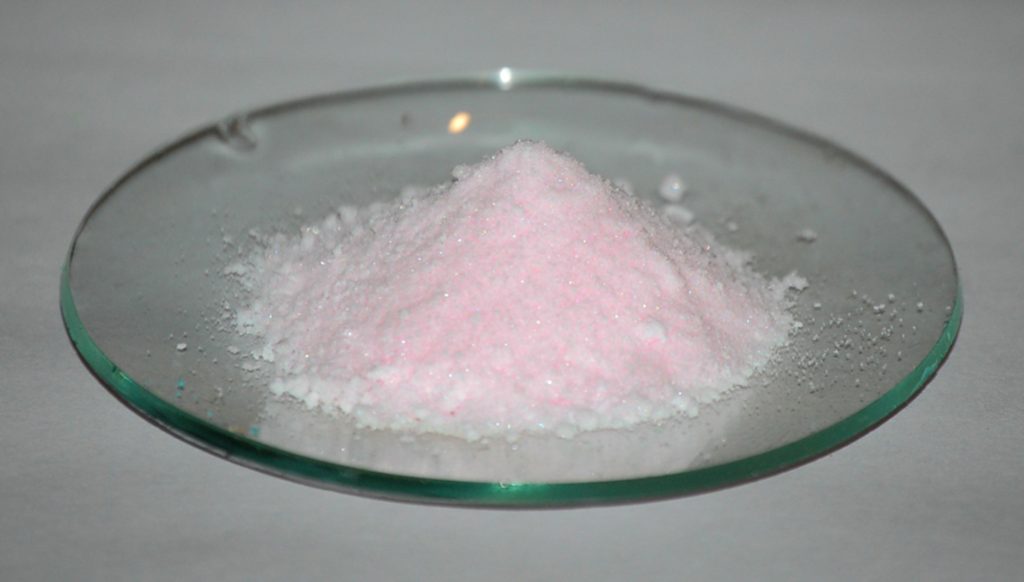
Ammonium persulfate (APS) is an inorganic compound with the formula (NH₄)₂S₂O₈. It is a colorless (white) salt highly soluble in water. APS, also known as ammonium peroxydisulfate, is a strong oxidizing agent used in polymer chemistry, etching, cleaning, and bleaching
Dissolving this salt in water is an exothermic process, and it has numerous applications across various industries. Persulfates are strong oxidizers widely used in metal production, textiles, photography, cellophane, rubber, adhesive papers, food, soaps, detergents, and hair bleaches. The market for ammonium persulfate is extensive
When heated, this compound can decompose to release oxygen and produce toxic nitrogen oxides, sulfur oxides, and ammonia vapors
Ammonium persulfate is used as an oxidizing agent and a source of free radicals in many commercial applications. Sulfate salts are primarily used as initiators in the polymerization of specific alkenes. Important commercial polymers produced using persulfates include styrene-butadiene rubber and polytetrafluoroethylene (PTFE)
In solution, APS dissociates into dianions and forms radicals. The sulfate radical adds to the alkene, forming an ester sulfate radical. APS is also used with tetramethylethylenediamine (TMEDA) to catalyze the polymerization of acrylamide in the production of polyacrylamide gels, making it essential for SDS-PAGE and Western blotting in biological research
APS’s strong oxidizing properties make it useful for etching copper on printed circuit boards as an alternative to ferric chloride solutions. This method was discovered years ago. In 1908, John William Turrentine used a dilute ammonium sulfate solution to etch copper
APS is also a standard ingredient in hair bleaches. In organic chemistry, persulfates are used as oxidizers, such as in the Minisci reaction
Additionally, APS can be used as an analytical reagent, photographic fixative, and reducing agent. It is also used as a food preservative, oxidizing agent, and initiator for polymer synthesis.
Kala Tejarat Seven diamond Company offers high-purity ammonium persulfate tailored to customer requirements. For price inquiries and order placement, contact us for ammonium persulfate sales
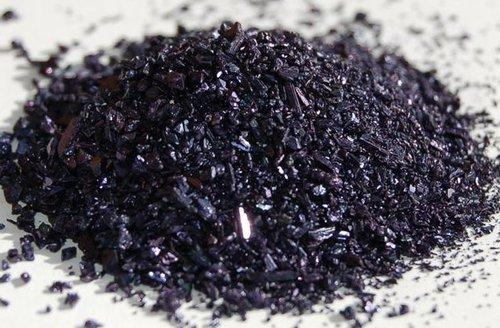
Potassium permanganate is a chemical compound with the formula KMnO₄. It is a dark purple, odorless solid that dissolves in water to form a deep purple solution. It is widely used in medical, water treatment, and aquaculture industries due to its oxidizing, disinfectant, and deodorizing properties.
A. Water Treatment: Used for disinfection and purification
B. Disinfectant Solutions: Effective against bacteria and fungi
C. Antifungal Treatment: Used for treating fungal infections on hands and feet
D. Cholera Treatment: Acts as a disinfectant for cholera
E. Industrial and Sanitary Wastewater Treatment: Used for odor and taste control
F. Medical Industry: Used in wound care and as an antiseptic
G. Agriculture: Used for soil treatment and plant disease control
Kala Tejarat Seven diamond Company is a leading importer and distributor of bulk chemicals, with extensive experience in the purchase and sale of industrial chemicals. For high-quality potassium permanganate, contact our sales experts.
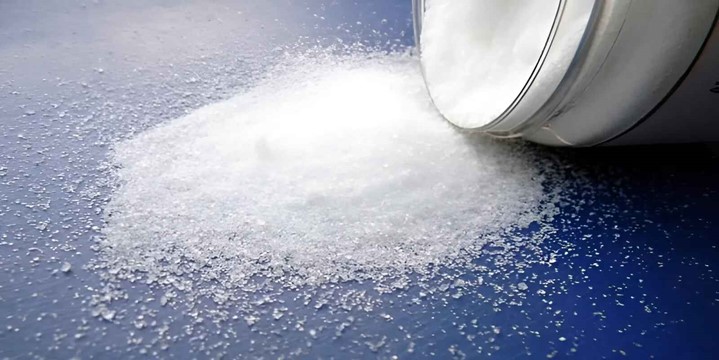
Ammonium chloride (NH₄Cl), also known as sal ammoniac, is a colorless, odorless, water-soluble salt with a strong acidic taste. It is widely used in industrial and scientific applications, including fertilizer production, metal cleaning, and soldering flux
Ammonium chloride is an inorganic salt composed of ammonium cations (NH₄⁺) and chloride anions (Cl⁻). It has a molar mass of 53.49 g/mol and a density of 1.53 g/cm³ at 25°C. It is highly soluble in water (372 g/L at 25°C) and has a melting point of 338°C and a boiling point of 520°C
A. Fertilizer Production: Widely used in nitrogen-rich fertilizers like ammonium sulfate, ammonium nitrate, and urea
b. Metal Cleaning: Used to remove oxide layers, corrosion, and impurities from metal surfaces
C. Soldering Flux: Improves soldering quality by removing oxides and impurities
D. Medical Uses: Used as a cough medicine and expectorant
E. Laboratory Reagent: Used in chemical reactions and pH testing
F. Food Processing: Used as a yeast nutrient and bread softener
Kala Tejarat Seven diamond Company is a leading importer and distributor of bulk chemicals, with extensive experience in the purchase and sale of industrial chemicals. For high-quality ammonium chloride, contact our sales experts.
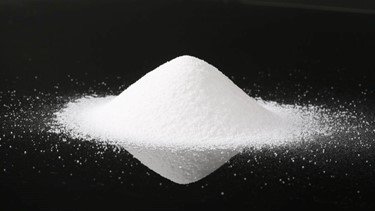
Sodium chloride (NaCl), commonly known as table salt, is an ionic compound with a 1:1 ratio of sodium and chloride ions. It is responsible for the salinity of seawater and is widely used in industrial and household processes.
Forms white, odorless crystals with a salty tast
Conducts electricity in aqueous solutions due to mobile ions
Melting point: 801°C, boiling point: 1413°C
A. Chemical Industry: Used in the production of sodium carbonate, sodium bicarbonate, and other chemicals
B. Glass Manufacturing: Used in glass production
C. De-icing: Used to prevent ice formation on roads and bridges
D. Food Industry: Used as a preservative and flavor enhancer
Kala Tejarat seven diamond Company is a leading importer and distributor of bulk chemicals, with extensive experience in the purchase and sale of industrial chemicals. For high-quality sodium chloride, contact our sales experts
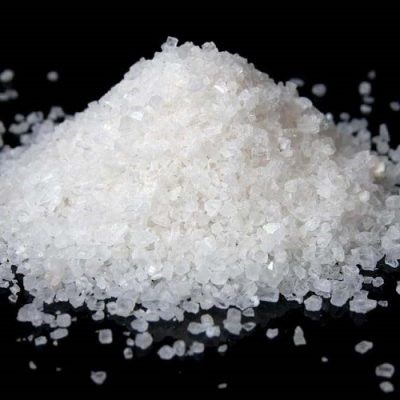
Strontium carbonate (SrCO₃), also known as antimuan, is a colorless (white), odorless, and toxic crystalline salt. It is used in dyeing textiles, leather, and as a potential pesticide
White, odorless, and tasteless powder
Weak base, reacts with acids
Stable and safe to handle
Insoluble in water but solubility increases with carbon dioxide saturation
Fireworks: Used to produce bright red flames
Electronics: Used in cathode ray tubes (CRTs) and superconductors
Ceramics: Used in glazes and as a flux
Glass Manufacturing: Used in rainbow glass and optical materials
Kala Tejarat Seven diamond Company is a leading importer and distributor of bulk chemicals, with extensive experience in the purchase and sale of industrial chemicals. For high-quality strontium carbonate, contact our sales experts.
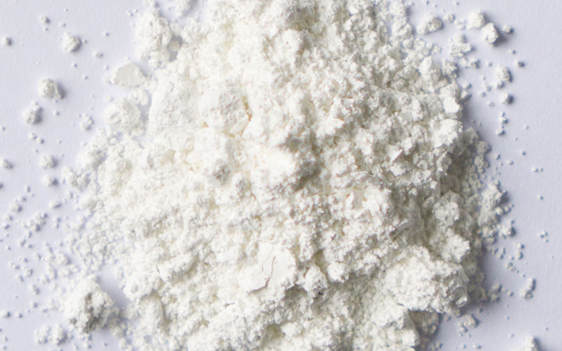
Carbonates are esters or salts of carbonic acid.
A. Sodium Carbonate (Soda Ash): Used in glass, tile, and ceramic production
B. Sodium Bicarbonate (Baking Soda): Used in baking powders and as a leavening agent
C. Barium Carbonate: Used in glass manufacturing and as a rat poison
D. Calcium Carbonate: Found in rocks like limestone and marble
E. Potassium Carbonate: Used in glass and soap production.
F. Ammonium Bicarbonate: Used in food processing and as a leavening agent
G. Magnesium Carbonate: Used in pharmaceuticals and as a drying agent
H. Manganese Carbonate: Used in ceramics, welding rods, and agriculture
I. Nickel Carbonate: Used in electroplating and as a catalyst
Kala Tejarat Seven diamond Company is a leading importer and distributor of bulk chemicals, with extensive experience in the purchase and sale of industrial chemicals. For high-quality carbonates, contact our sales experts.
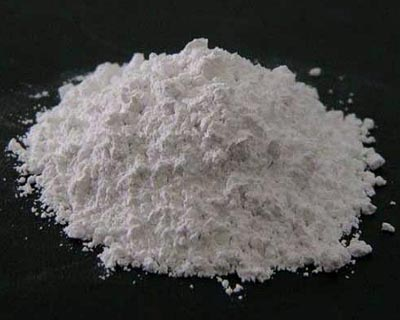
What is Sulfide
Sulfide is a gas composed of sulfur and two hydrogen atoms, with the chemical formula H₂S. It is a colorless gas with a foul odor, naturally found in volcanoes, hot springs, natural gas, and crude oil
Free sulfides in solution (H₂S) cause severe corrosion on many metals, such as steel, stainless steel, and copper. Sulfides in aqueous solutions are responsible for stress corrosion cracking (SCC) in steel, also known as sulfide stress cracking. Corrosion is a major issue in many sulfide processing facilities, including sulfide ore plants, deep oil wells, sour oil pipelines, and kraft paper mills
Kala Tejarat Seven diamond Company is a leading importer and distributor of bulk chemicals, with extensive experience in the purchase and sale of industrial chemicals. For high-quality sulfides, contact our sales experts
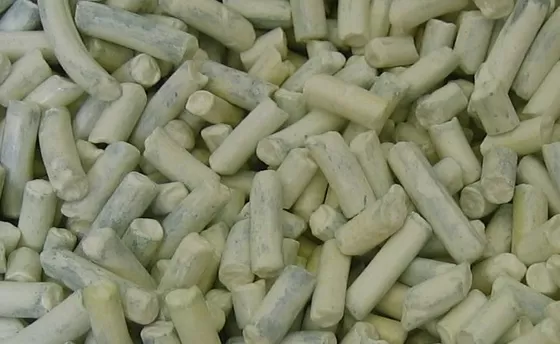
What is Potassium Amyl Xanthate
Potassium amyl xanthate (PAX) is a water-soluble chemical primarily used in the mining industry. It is prepared by reacting n-amyl alcohol with carbon disulfide and potassium hydroxide. PAX is a strong collector, mainly used in the flotation of non-ferrous metal minerals. It falls under the category of inorganic chemicals and is a traditional thiol collector used in bulk and selective flotation of nickel and copper sulfide ores
Used as a collector for non-ferrous minerals requiring a strong but not highly selective collector
Effective in the flotation of sulfide minerals, including copper sulfide, zinc sulfide, nickel-copper sulfide, and gold-bearing pyrite
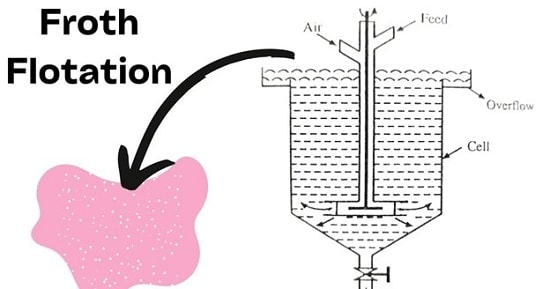
In the flotation process, PAX is mixed with conditioned ore in water, and the mixture is agitated in flotation cells. Xanthates can be added in liquid or solid form. They cause minerals to attach to air bubbles, which rise to the surface and form a froth that is collected. The remaining material can be reused or discarded
Kala Tejarat Seven diamond Company is a leading importer and distributor of bulk chemicals, with extensive experience in the purchase and sale of industrial chemicals. For high-quality potassium amyl xanthate, contact our sales experts
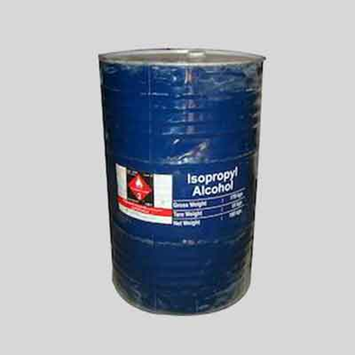
What is Isopropyl Alcohol and Its Applications
Isopropyl alcohol (IPA), also known as isopropanol or 2-propanol, is an organic compound belonging to the alcohol group. It is highly flammable and has a strong, pungent odor typical of alcohols. Its molecular formula is C₃H₈O, with the hydroxyl group attached to the second carbon, making it a secondary alcohol
Isomers of isopropyl alcohol include 1-propanol and ethyl methyl ether. IPA is used in the production of various chemicals, especially household cleaning products, and as a raw material for pesticides and insecticides
Household Cleaning Products: Widely used in detergents and disinfectants
Pharmaceuticals: Used in the production of drugs and skincare products
Solvent: Effective for dissolving non-polar compounds, making it useful for cleaning tools and equipment
Fuel Additive: Used as an additive in gasoline
Kala Tejarat Seven diamond Company is a leading importer and distributor of bulk chemicals, with extensive experience in the purchase and sale of industrial chemicals. For high-quality isopropyl alcohol, contact our sales experts.
What is Flotation
Flotation is a process in which minerals are separated from a mixture by attaching to air bubbles in a solution. It is one of the most important methods for mineral separation and beneficiation, based on the physical and chemical properties of mineral surfaces
A. Flotation Cells: Responsible for the flotation process, available in self-aerating and non-self-aerating types
B. Mixers and Agitators: Ensure uniform mixing of the solution and enhance mineral interaction with flotation agents
C. Separators: Prevent particle agglomeration and improve selectivity in flotation
A. Mineral Preparation: Crushing and grinding raw minerals to the desired size
B. Grinding: Reducing minerals to the required size using crushers and mills
C. Reagent Addition: Adding collectors and frothers to the mineral slurry
D. Bubble Formation: Introducing air or gas to create flotation bubbles
E. Separation: Minerals attach to bubbles and rise to the surface, forming a froth that is collected
F. Concentrate Collection: Valuable minerals are separated from the froth
G. Tailings Disposal: Non-valuable materials are removed for further processing or disposal
Copper Flotation: Collectors like xanthates and thiocarbamates, and regulators like lime, NaOH, and Na₂CO₃
Lead and Zinc Flotation: Cyanide, sodium sulfide, sodium metabisulfite, and sodium sulfite
Gold Flotation: Xanthates and dithiophosphates
Iron Flotation: Potassium amyl xanthate for iron concentrate desulfurization
Kala Tejarat Seven diamond Company is a leading importer and distributor of bulk chemicals, with extensive experience in the purchase and sale of industrial chemicals. For high-quality flotation chemicals, contact our sales experts

024-33336639 989925558744+
Iran - Zanjan, Chaharrah Amir Kabir, Amir Kabir Building, 2nd Floor, Unit 202
17 - 8
Kala Tejarat Haft Almas Trading Company comprises four companies registered under number 14743 at the Zanjan Provincial Office of Companies and Industrial Property Registration.