09925558744
Iran - Zanjan, Chaharrah Amir Kabir, Amir Kabir Building, 2nd Floor, Unit 202
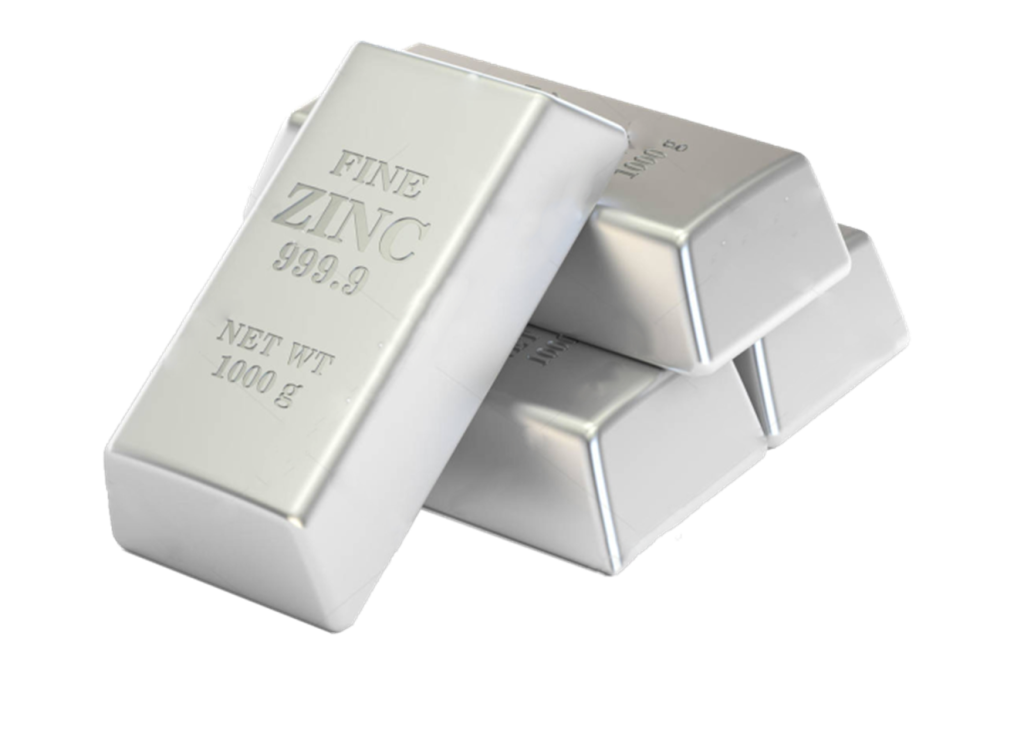
Zinc ingots are produced through the crystallization of a hexagonal close-packed (hcp) crystal structure and by solidifying molten zinc in specially designed molds. Zinc, with the atomic number 30 and the chemical symbol Zn, is an element of the 12th group in the periodic table. This brittle metal, with a bluish-silver color, is similar to the first metal in its group, magnesium. Zinc is abundantly found in the Earth’s crust and is the fourth most widely used metal in the world after iron, aluminum, and copper, with numerous industrial and biological applications
Zinc ingots are suitable for a wide range of applications, the most important of which is improving corrosion resistance. In fact, many of the produced zinc ingots are used in the galvanizing process. This process creates an anti-corrosion layer to protect steel products, shielding them from further corrosion and rusting
In the initial stages, soils and mineral ores containing zinc, such as sphalerite, are crushed and broken down. If these ores contain lead, they must first undergo lead removal. Then, these materials are leached in stainless steel tanks with sulfuric acid and water. Through various chemical processes, zinc sulfate is obtained. Subsequently, the metal slowly reacts with acids. Metals such as nickel, cadmium, cobalt, iron, and others will also be present in the resulting solution. Before the electrolysis process, interfering ions must be removed. Once the separation of interfering ions is complete, the process of isolating zinc metal begins
Kala Tejarat seven diamond Company offers various types of zinc ingots in high tonnage and grades ranging from 99.96% to 99.99%, tailored to customer requirements. For price inquiries and order placement, contact us for zinc ingot sales
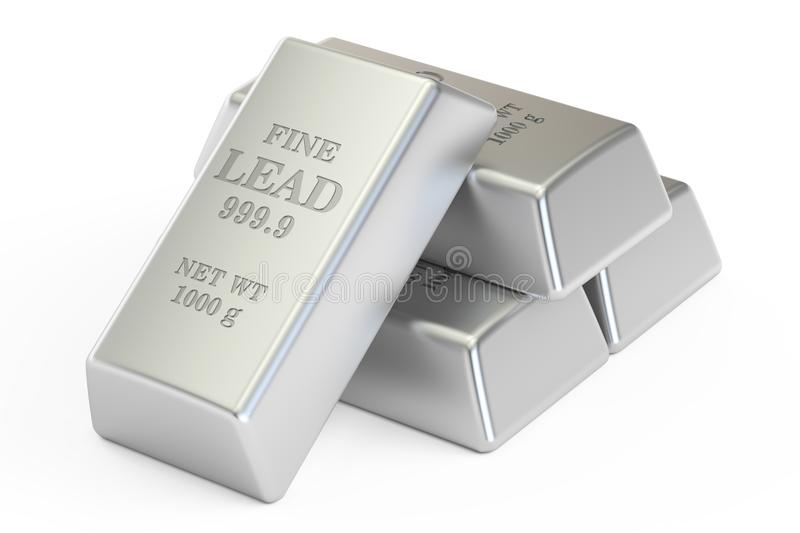
Lead Ingot
Lead Ingot Production Process
Since the solubility of lead compounds in solvents is low, the pyrometallurgical (dry) method is predominantly used for lead production. Essentially, lead is extracted through two main methods: traditional and modern.
A) Traditional Method or Blast Furnace Method:
Currently, over 75% of the world’s lead is produced using this method. However, due to high capital investment, increased pollution, and lower energy efficiency, this method is gradually becoming obsolete.
Lead production in this method occurs in three stages:
A. sintering and Roasting: In this stage, lead concentrate is heated to convert sulfur compounds mainly into lead oxide, while volatile materials and unstable compounds are removed from the concentrate
B. melting and Reduction: The roasted concentrate, along with flux materials and coke, is fed into a blast furnace. Oxygen injection and heat generate reducing gases, converting various lead compounds into pure lead. The lead enters the molten phase, while impurities form slag
C. efining: The lead obtained from the blast furnace has a purity of about 97%. To increase the purity to 99.9%, impurities such as Zn, Cd, Ag, and Cu are removed in this stage
B) Modern or Direct Methods:
In these methods (such as the KIVCET, QSL, and TBRC processes), unlike the blast furnace method, lead extraction from ore occurs in a single stage, eliminating the need for separate roasting. Similar to the traditional method, the raw lead obtained must undergo refining to increase its purity
Specifications of Lead Ingots
Lead ingots are produced in various purity grades, with the most commonly sold grades being 99.99%, 99.98%, 99.97%, 99.96%, and 99.95%. Lead ingots with other purity grades can also be produced based on market and customer needs. Naturally, the price of lead ingots is directly related to their purity grade
: The following are common terms in the lead industry
Pure Lead Ingot or 99.99% Lead Ingot
Hard Lead or Antimonial Lead: Hard lead or antimonial lead is a type of lead alloy produced by adding antimony to lead. It is available in hard and soft forms and has diverse applications in various industries. Antimony, a metalloid, has a bluish-white metallic luster and is highly brittle and flaky, which must be considered in industrial production
Soft Lead or Workshop Lead: Produced by recycling battery waste and slag in rotary furnaces, workshop lead is available in hard and soft forms. It is either directly supplied to the market or further refined to produce pure and alloyed lead. Soft workshop lead contains a minimum of 98.5% lead
Lead Ingot Sales
Kala seven diamond Company offers various types of lead ingots in high tonnage and grades ranging from 99.96% to 99.99%, including workshop lead and antimonial lead, tailored to customer requirements. For price inquiries and order placement, contact us for lead ingot sales.
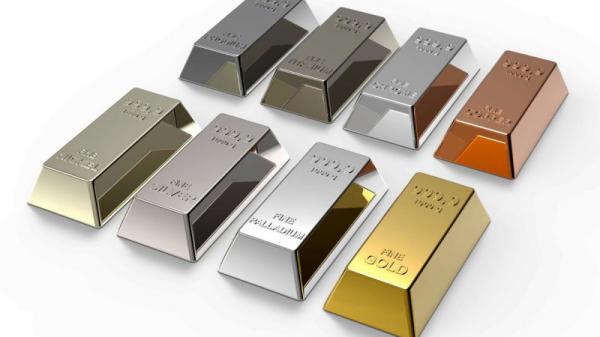
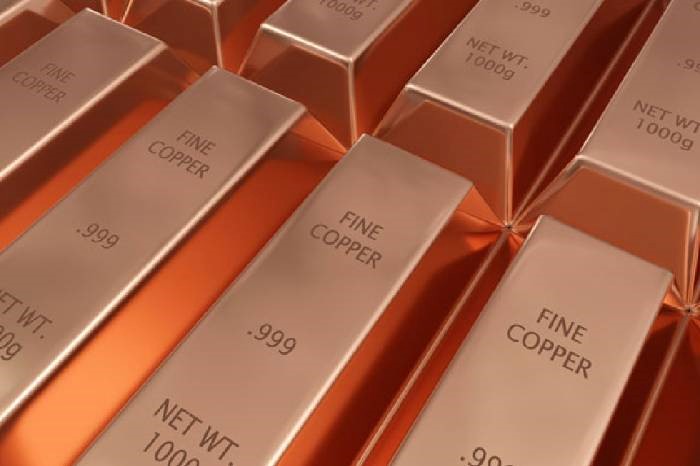
Copper ingots are a type of solid metal alloy. Due to their compatibility, flexibility, and high transportability, copper ingots are widely used in various industries such as electronics, kitchenware production, automotive manufacturing, and more. The price of copper ingots fluctuates over time due to various factors, including supply and demand, exchange rates, transportation costs, and other market conditions. Generally, to determine the price of copper ingots, you need to research and analyze the market based on your specific needs. In addition to its use in various industries, copper, as one of the most important metals, is also used in the production of coins, jewelry, and precision tools
Kala Tejarat seven diamond Company offers various types of copper ingots and cathodes in high tonnage and grades ranging from 99.95% to 99.99%, tailored to customer requirements. For price inquiries and order placement, contact us for copper sales
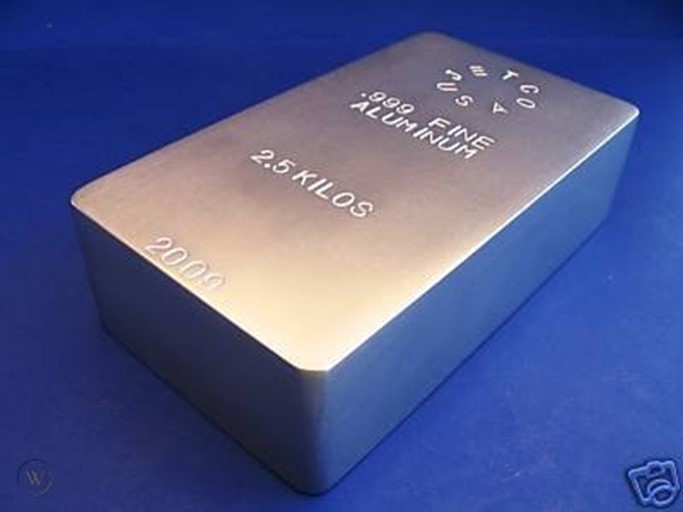
An aluminum ingot (Aluminum Ingot) is a non-ferrous product produced by pouring molten aluminum into specially designed molds. These molds come in various sizes and shapes, resulting in ingots with different appearances. According to historical records, the first use of aluminum dates back to the 5th century BC. People at that time used aluminum for color fixation and city defense. However, the purposeful use of aluminum began in 1530 when a Swiss physician named Paracelsus proposed extracting aluminum from salt. Today, aluminum is the second most widely used metal after iron in the world. The extensive applications of this metal in various industries have led to a special focus on identifying and extracting it from existing mines in the country.
Applications of Aluminum Ingots
A. Recycling Industries
B. Transportation Manufacturing Industries (aircraft manufacturing, automobile manufacturing, truck manufacturing, shipbuilding, railways, etc.)
C. Packaging Industries
D. Can and Foil Production
E. Building Door and Window Manufacturing Industries
F. Wall Cladding Production
G. Household Electrical Appliances
H. Electrical Transmission Lines
I. Glass Manufacturing Industries
J. Casting Component Production
024-33336639 989925558744+
Iran - Zanjan, Chaharrah Amir Kabir, Amir Kabir Building, 2nd Floor, Unit 202
17 - 8
Kala Tejarat Haft Almas Trading Company comprises four companies registered under number 14743 at the Zanjan Provincial Office of Companies and Industrial Property Registration.