
09925558744
Iran - Zanjan, Chaharrah Amir Kabir, Amir Kabir Building, 2nd Floor, Unit 202
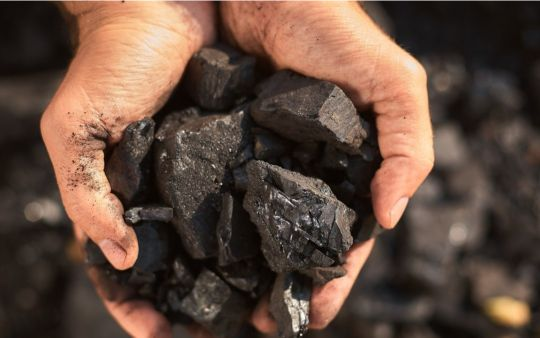
What is Lime
Lime is a material that has been used by humans since ancient times. Evidence of its use has been found in ancient fire pits, and in ancient Iran, it was used for construction and bonding wood and stone
Lime is available in several forms, and the type required depends on its intended use. Below, we will discuss the different types of lime
A. Quicklime
Also known as pure lime, quicklime is produced by heating limestone at high temperatures and is not found naturally
B. Slaked Lime
Produced by adding water to quicklime, slaked lime undergoes a chemical reaction and has very low reactivity
C. Hydrated Lime
Hydrated lime is obtained by adding water to slaked lime. Due to its alkaline properties, it is used for pH regulation in industries
D. Hydraulic Lime
Hydraulic lime is produced by calcining alumina and silica. It slakes slowly and does not change in volume
E. Dolomitic Lime
Dolomitic lime contains 50% calcium and 40% magnesium, also known as magnesium lime
F. Semi-Hydraulic Lime
Semi-hydraulic lime contains 15-25% clay and is more resistant than quicklime. It slakes slowly and has minimal volume expansion
Kala Tejarat Seven diamond Company is one of the oldest players in the field of industrial chemical procurement. For high-quality lime, contact our sales experts
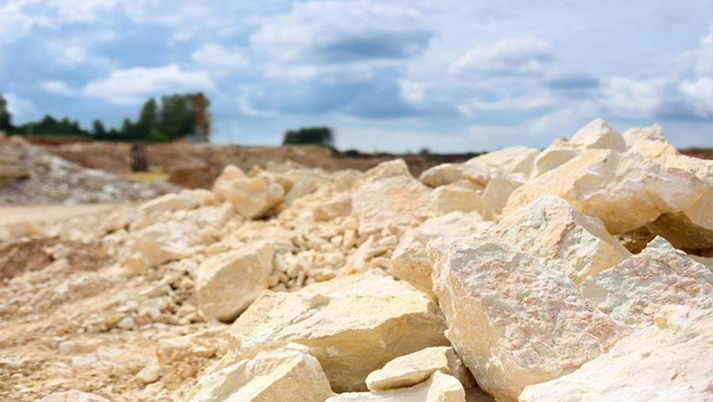
What is Feldspar
Feldspar is a group of tectosilicate minerals that contain calcium, potassium, or sodium, making up more than half of the Earth’s crust by weight. These minerals are commonly found in igneous, sedimentary, and metamorphic rocks worldwide. They are essential components of these rocks, and the classification of many rocks is based on their feldspar content
Feldspar minerals typically appear in opaque shades of white to gray and pink to very dark gray, with a glassy luster. Due to their two cleavage planes intersecting at 90 degrees, pure feldspar crystals tend to form rectangular blocks with distinct ends. Feldspars can be divided into two main groups: potassium feldspars and plagioclases
Both types of feldspar have two visible cleavages and a range of overlapping colors. Plagioclase, in particular, has fine grooves on one of its cleavage planes, often referred to as striations
Feldspar is extracted from large granitic bodies, known as plutons by geologists. Since feldspar is a major component of the Earth’s crust, it is assumed that the supply of feldspar will meet demand for a long time. Current mines worldwide sufficiently meet the demand for raw feldspar
Feldspar is mined using open-pit methods, either by the mine owner or contractors. After drilling and blasting the feldspar rock, secondary breaking is done using a drop ball. The ore is then loaded onto trucks using hydraulic shovels and transported to a crushing plant near the flotation facility
The most important properties of feldspar for downstream industries and many other sectors are its alumina and alkali content. Alkali feldspars (containing potassium) have wide applications in paint, glass, and ceramic manufacturing. Below are some of the uses of potassium feldspars:
Glass Manufacturing
A. Feldspar is a crucial material in glass production. It acts as a fluxing agent, lowering the melting temperature of quartz while maintaining the viscosity of the glass within the desired range. The alkali content in feldspar makes it an effective flux in glassmaking
Reduces the overall melting point of the mixture, saving energy
Forms a glass matrix that holds other materials in the melt
Enhances glass properties such as hardness, durability, and chemical resistance due to alumina and calcium ions
Kala Tejarat Seven diamond Company is one of the oldest players in the field of mineral procurement. For high-quality feldspar, contact our sales experts
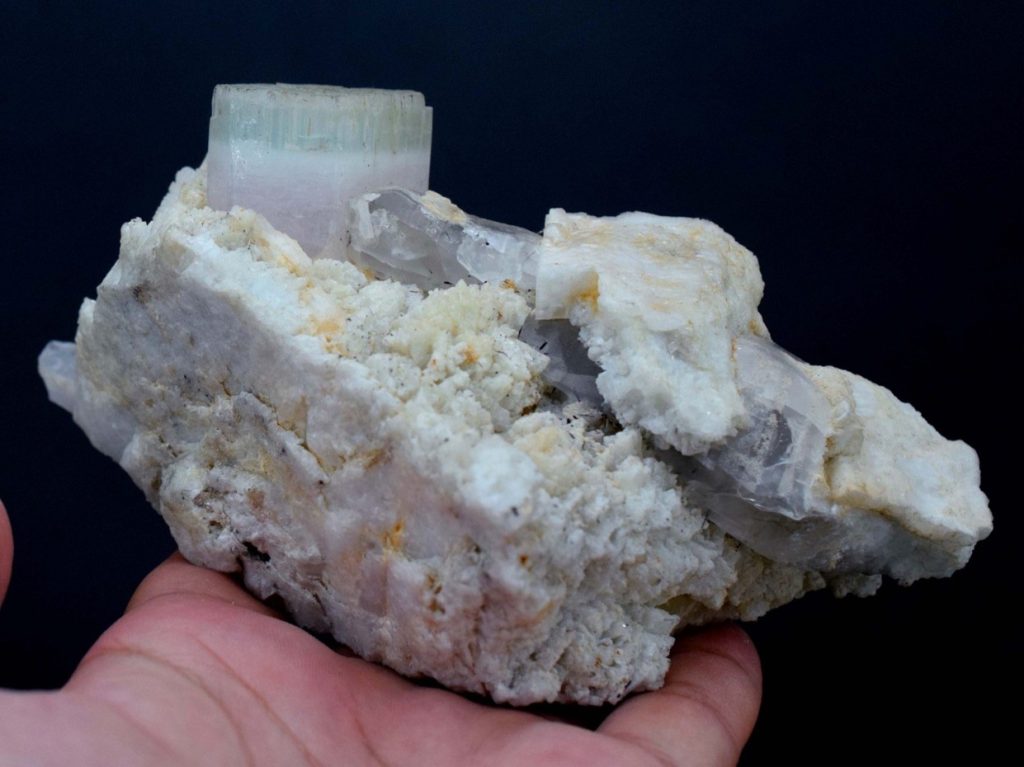
What is Mica
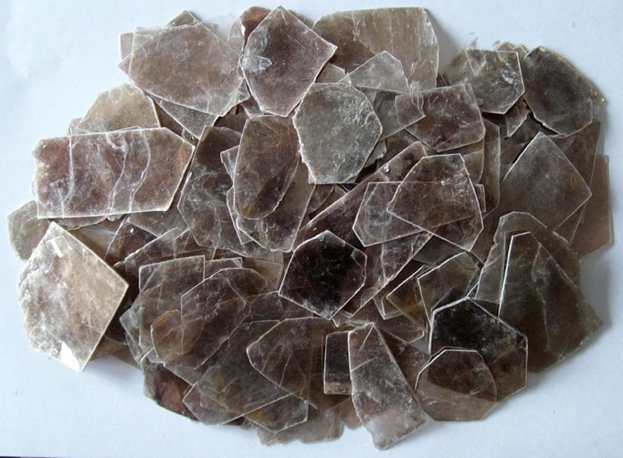
Mica is a type of mineral belonging to the silicate group. It contains varying amounts of potassium, iron, aluminum, magnesium, and water, and appears in the form of sheets or plates of different thicknesses. Key properties of mica include excellent resistance to electrical current, low energy loss, insulation, and high voltage resistance. These characteristics make mica one of the most important minerals in the electrical industry
Mica’s high thermal resistance is also remarkable, making it a versatile material used in various products. For example, in the automotive industry, mica is used in brake pads and clutch linings, as well as in thermal washers and battery insulation
Additionally, mica is used in toothpaste and cosmetics due to its shimmering properties. Gardeners add mica to soil to enhance its quality. In foundry and steel industries, mica is used as a coating in iron and aluminum casting. It also finds applications in aerospace and military sectors
Kala Tejarat Seven diamond Company, with over a decade of experience, produces various types of graded and micronized industrial mica using the most advanced technology in Iran and the Middle East. Our state-of-the-art equipment allows us to grind minerals of any hardness (even down to a few microns).
The particle sizes of our micronized and super-micronized mica powders are as follows
5 microns (2500 mesh)
10 microns (800 mesh)
400 mesh
325 mesh
You can purchase mica in graded or micronized powder form directly from one of the most reputable mica producers in the country and receive it in the shortest possible time
Our expert consultants are available to provide guidance and advice through the company’s communication channels
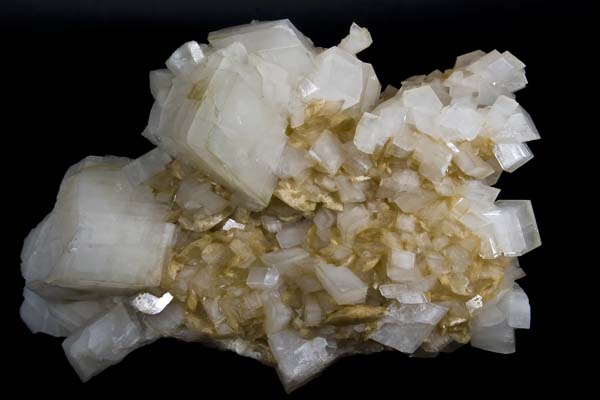
What is Dolomite
Dolomite, also known as dolostone, is a sedimentary mineral belonging to the carbonate group. It is found in sedimentary regions worldwide
A. Construction: Used in cement production for building purposes
B. Glass Manufacturing: Utilized in the production of glass
C. Agriculture: Applied to reduce soil acidity in farming and gardening
E. Iron and Steel Industry: Used in iron smelting and refining processes
F. Infrastructure: Crushed dolomite is used in tunneling, coal mining, and railway construction
G. Concrete Production: Added to concrete for enhanced strength and durability
H. Marine Applications: Used to extract manganese from seawater
I. Rubber Industry: Acts as a filler in rubber production
J. Ceramics and Tiles: Widely used in the manufacture of ceramics and tiles
K. Paints and Coatings: Used in paint and varnish production
L. Aquariums: Regulates pH levels in aquarium water
M. Jewelry: Valued for its beauty in jewelry making
N. Pharmaceuticals: Used in the production of certain medicines
Our expert consultants are available to provide guidance and advice through the company’s communication channels for all your dolomite needs
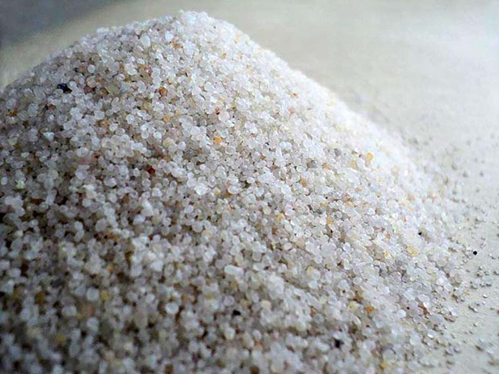
Silica is the second most common element in the Earth’s crust, making up about 25% of it. This non-metallic, hard substance ranges in color from colorless to dark gray. Today, silica is used in various engineering sciences, theoretical studies, and technologies, including processing technologies. Silica stone is highly resistant, making it one of the most widely used stones in nature. This stone has diverse properties and applications, and you will undoubtedly need silicon dioxide to complete your production process in various industries
Silica is considered a fundamental raw material in many industries and professions. With its unique characteristics, silica is present in various aspects of our daily lives, but its frequent use often makes us overlook its importance. Below, we explore some of the applications of silica
Applications of Silica in Industry
As a natural material found in the Earth’s crust, silica is used in various industries. For example, in the construction industry, due to its high resistance, silica is used in building materials and exterior facades. Other applications of silica include ceramics production, sandblasting, industrial cleaners, paint manufacturing, glaze production, casting molds, adhesive production, and more. Below, we discuss some of these applications in detail
Ceramics Production
Quartz stone, known for its unique beauty, is used in manufacturing various ceramics and sanitary ware. Today, its presence is evident in both interior and exterior home decor
Silica’s resistance to temperatures up to 1470°C makes it suitable for casting molds of metals like cast iron, aluminum, and copper alloys. Additionally, silica is used as a refractory material in furnaces for iron, steel, cement, and glass production
All fertile soils initially contained significant amounts of silica, but over time and repeated cultivation, the silica content in the soil has decreased. Therefore, using silica-containing fertilizers is essential. In general, silica has the following applications in agriculture
Increasing plant resistance to environmental stress
Enhancing resistance to diseases
Boosting resistance to plant pests
Extending the shelf life of vegetables
Preventing plant toxicity and environmental pollution
Reducing soil salinity and salt content
Given these extensive applications, silica plays a crucial role in various industries and even in our daily lives
Kala Tejarat Seven diamond Company, with a brilliant track record in the field of mineral sales, is ready to sell and enter into contracts for silica with various grain sizes and grades. You can obtain silica in granular or powder form with the highest possible quality directly from one of the most reputable silica producers in the country and receive it in the shortest possible time
Our expert and seasoned specialists are available to provide necessary guidance and consultation through the company’s communication channels to you, our esteemed silica consumers

024-33336639 989925558744+
Iran - Zanjan, Chaharrah Amir Kabir, Amir Kabir Building, 2nd Floor, Unit 202
17 - 8
Kala Tejarat Haft Almas Trading Company comprises four companies registered under number 14743 at the Zanjan Provincial Office of Companies and Industrial Property Registration.