
09925558744
Iran - Zanjan, Chaharrah Amir Kabir, Amir Kabir Building, 2nd Floor, Unit 202
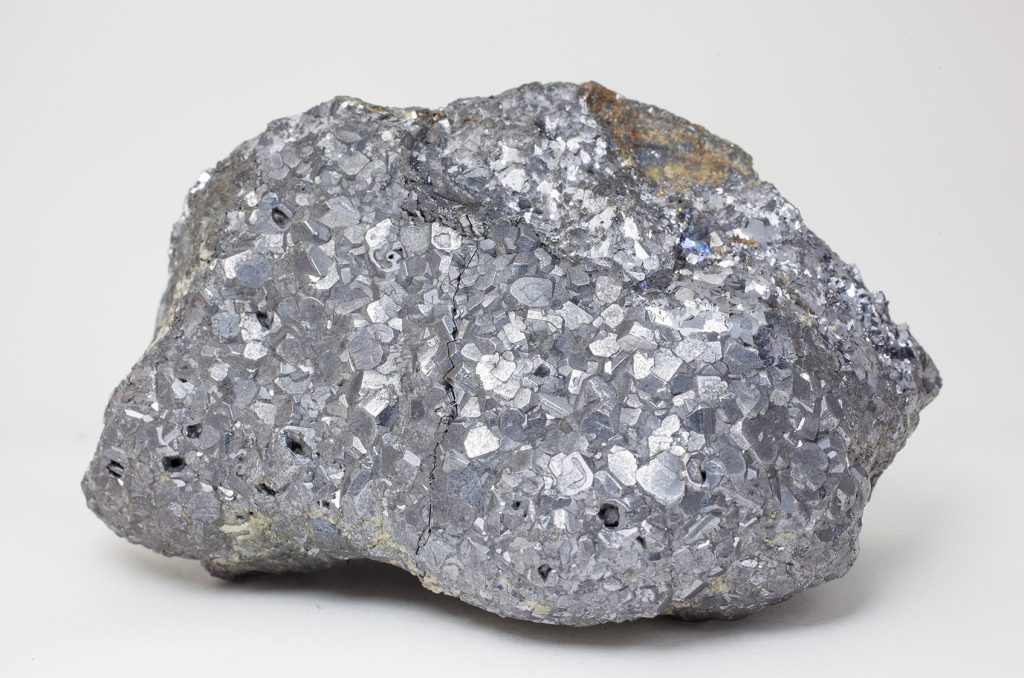
What is Zinc? Applications and Production Process of Zinc
Zinc (Zn) is a chemical element with the symbol Zn, located in group 12 of the periodic table. After iron, aluminum, and copper, zinc is the most commonly used metal in the world, with significant industrial and biological applications. Zinc, also known as zinc, is biologically important for plants and animals, and many human body functions depend on it—from creating new cells and enzymes to processing carbohydrates and fats, all of which require zinc. In the following sections, you will learn more about zinc metal and its uses. Stay with us.
Zinc is one of the non-ferrous and soft metals with a long history; its use dates back centuries. Many prehistoric artifacts discovered were made of zinc, indicating its ancient origins. Countries like India and China successfully extracted zinc thousands of years before Christ, making them pioneers of zinc discovery in Asia. In the West, German scientist Andreas Marggraf discovered zinc in 1746. Since then, zinc has been used as a base metal in many vital industries
The applications of zinc include
Electrical and electronic equipment
Automotive industry
Pharmaceutical industry
Paint and printing industry
Production of various alloys such as brass and bronze
Use as a component in batteries
Metal plating to prevent rusting
Other industries such as rubber manufacturing, agriculture, and more
Zinc is a soft metal with a bluish-silver color. It has low tensile strength and is considered a brittle metal, which is why it is not used in load-bearing applications. In other words, zinc has very low hardness and minimal resistance; however, its alloys have higher strength. Zinc also has a hexagonal crystalline structure and lower density compared to iron. In terms of flexibility, it becomes conductive and malleable within the temperature range of 212 to 302 degrees Fahrenheit. Overall, zinc has moderate conductivity but excellent chemical properties
Zinc is produced from sulfide ore, which contains cadmium, lead, iron, silver, and more. This ore is abundant in countries such as China, Japan, Australia, and North and South America. Iran also has the necessary reserves for extracting sulfide ore. In any case, zinc can be produced through the following two processes
A. Electrolytic Process
Over 90% of the world’s zinc is produced through the electrolytic process. This process involves several stages, including ore concentration, roasting, conversion of zinc oxide to sulfate, and electrolysis of the zinc sulfate solution
B. Thermal Process
The thermal process is carried out using ISF furnaces. Due to high gas emissions and energy consumption, this method is not used in Europe, where the electrolytic process is preferred. In this process, lumps of ore yield zinc and lead
Kala Tejarat Seven diamond Company, emphasizing diversity and distinction in its products, offers various types of zinc, including soil and high-tonnage ingots, to the market. With its zinc mines, the company provides different forms of zinc, such as soil, concentrate, slag, cake, and ingots with grades ranging from 99.96% to 99.99%, tailored to customer needs. Increased production capacity and the use of advanced crushing and grading technologies have enabled the company to offer products with distinct quality and competitive prices. For price inquiries and order placement, contact us for zinc sales
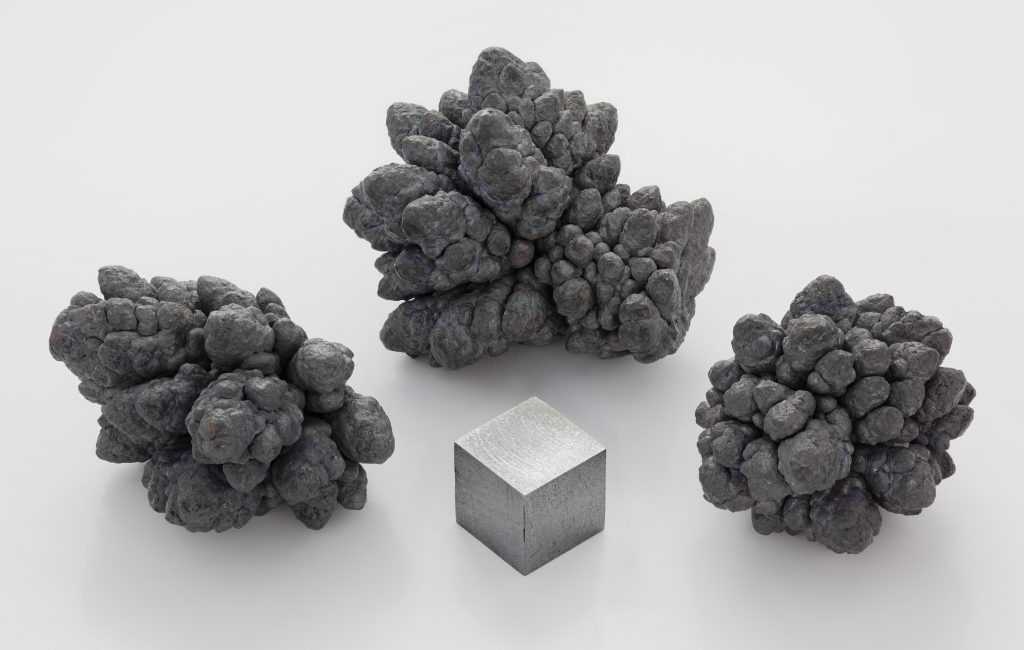
Everything About Lead Metal and Its Applications
Lead is one of the elements in Mendeleev’s periodic table, abbreviated as Pb. Its atomic number is 82. Lead is one of the oldest metals discovered in archaeology. The oldest lead artifacts, dating back to 3500 BC, were discovered in Egypt and are now housed in the British Museum
Lead is a soft yet very heavy metal with high resistance, making it malleable and ductile. It has a bluish-white color that turns dark gray when exposed to air. This toxic metal is the heaviest stable element in the periodic table
Lead forms alloys with many metals, the most important of which are tin, antimony, copper, bismuth, cadmium, and arsenic.
Lead is discovered in mines, and often, lead and zinc mines are found together, with up to 70% overlap. To extract lead from lead ore, the ore is first crushed and then roasted in rotary kilns. The roasted lead is then reduced in a blast furnace, producing raw lead with a purity of about 90%. This raw lead is further refined to achieve a purity of 99.94%
Due to its softness, high castability, good fluidity, and resistance to corrosion, lead is used to store corrosive substances such as sulfuric acid
As mentioned earlier, lead has unique properties that make it applicable in various industries. Below are some of its important applications
A. Use in soldering, electronics, and circuit manufacturing
B. Battery production
C. Cable manufacturing and cable industries
D. Production of pigments in the paint industry
E. Production of anti-rust coatings (lead oxide)
F. Ceramic industry to enhance strength and durability in fired ceramics
G. Printing and typesetting industry
H. Glass manufacturing during the glazing process
Lead can cause environmental toxicity during all stages of extraction and production. If not properly managed, it can pose serious health risks to humans.
Lead is one of the metals that, due to its low melting point, easily produces toxic fumes. It can enter the human body through absorption in water, air, and food
Kala Tejarat Seven diamond Company, emphasizing diversity and distinction in its products, offers various types of lead soil, concentrate, and ingots with different grades to the market. For price inquiries and order placement, contact us for lead sales
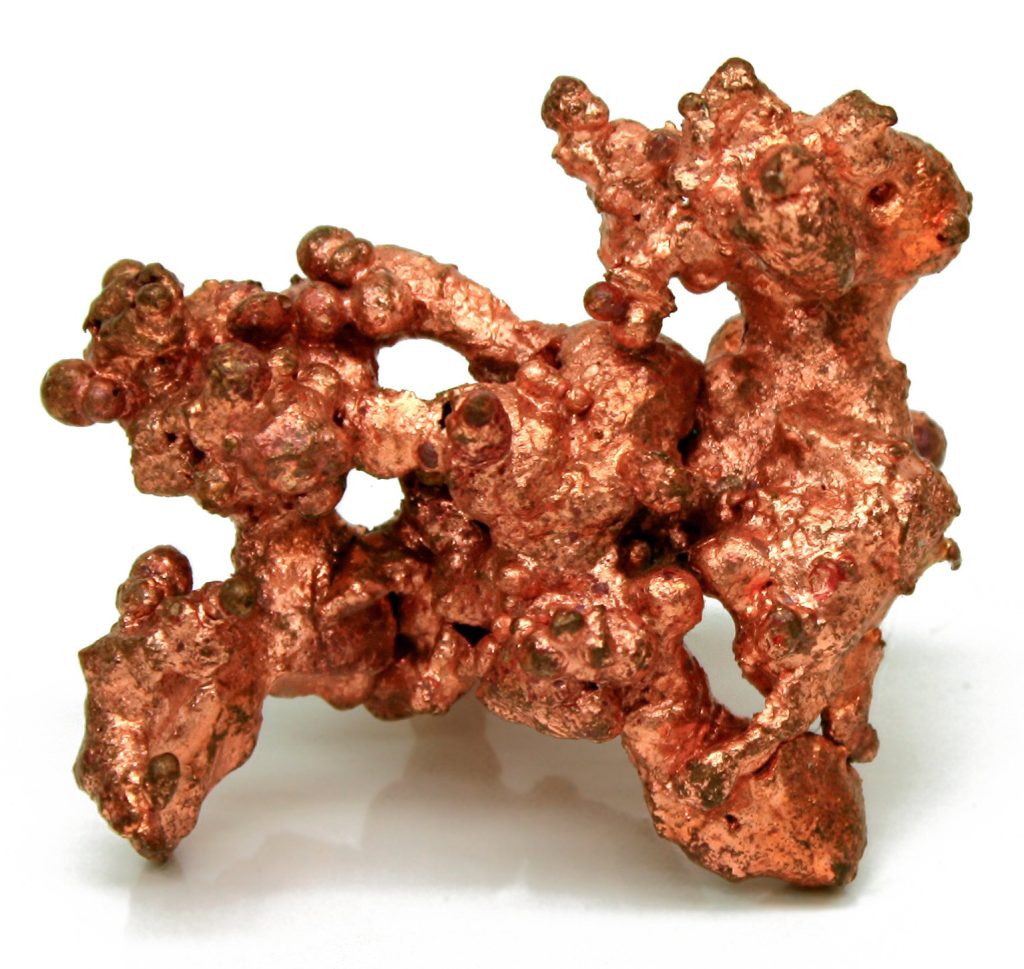
What is Copper and Its Applications in Industries
Copper, with the atomic number 29, is located in group 11 of the periodic table. Its chemical symbol is Cu, derived from the Latin word cuprum. Key characteristics of copper include its malleability, high thermal and electrical conductivity, and ductility, making it widely used in various industries
Copper is one of the four metals whose natural color is not gray or silver. Chile is the largest producer of copper, with an annual production of 5.7 million tons. Iran supplies about 3% of the world’s copper reserves
Copper is typically found in mineral form. Minerals such as azurite, malachite, and bornite, as well as sulfides like chalcopyrite (CuFeS2), covellite (CuS), and chalcocite (Cu2S), or oxides like cuprite (Cu2O), are sources of copper. This element has one electron in the s-orbital after a filled d-electron shell, contributing to its ductility and high electrical conductivity. The filled d-electron shell does not significantly participate in interatomic reactions, so metallic bonding occurs through the s-orbital electron. Unlike metals with partially filled d-shells, copper’s metallic bonding lacks covalent characteristics and is relatively weak, explaining its low hardness and high malleability
Copper has the second-highest thermal conductivity among pure metals at room temperature. This is because electron displacement resistance in metals at room temperature is primarily due to electron scattering from thermal lattice vibrations, which are relatively weak in soft metals. The maximum allowable current density for copper in free air is approximately 3.1×10⁶ A/m². Exceeding this current generates excessive thermal energy. Like other metals, copper can undergo galvanic corrosion when in contact with another metal
Today, architects and designers use copper for both exterior building facades and interior decor. Although not as common as aluminum, copper’s oxidation properties make designers cautious about its use. Copper is used in decorative objects, sculptures, jewelry, lighting fixtures, kitchenware, water and steam pipelines, wires, copper pipes, and home plumbing
Copper is one of the best and most affordable conductive metals for electricity. It easily allows electric current to pass through and, due to its properties, is one of the safest metals for use in wires and electrical transmission tools. The electrical industry is one of the largest consumers of copper. It is used in low, medium, and high-voltage cables, as a core component in motors and transformers, electromagnets, vacuum tubes, cathode-ray tubes, and magnetrons in microwaves
Copper is an essential nutrient required for the growth of living tissues in plants and other organisms. It is used to control fungal diseases, improve agricultural soil, stimulate the growth of chickens and broilers, and as a fungicide and molluscicide in plants. Copper sulfate is one of the most widely used derivatives of copper
Copper is used in treating anemia, joint pain, and wound healing
Steel, an alloy of iron, primarily consists of chromium and nickel, with at least 10.5% chromium providing corrosion resistance. To enhance corrosion resistance in specific environments and improve oxidation resistance, elements such as nickel, molybdenum, titanium, aluminum, niobium, copper, nitrogen, sulfur, phosphorus, or selenium are added, giving the alloy unique properties
For example, in the chemical composition of 4PH-17 stainless steel, which belongs to the stainless steel category, 3-5% copper is used. This steel is utilized in various industries due to its high resistance at elevated temperatures
Kala Tejarat Seven diamond Company, emphasizing diversity and distinction in its products, offers various types of copper soil, concentrate, ingots, sheets, and cathodes with different grades to the market. For price inquiries and order placement, contact us for copper sales
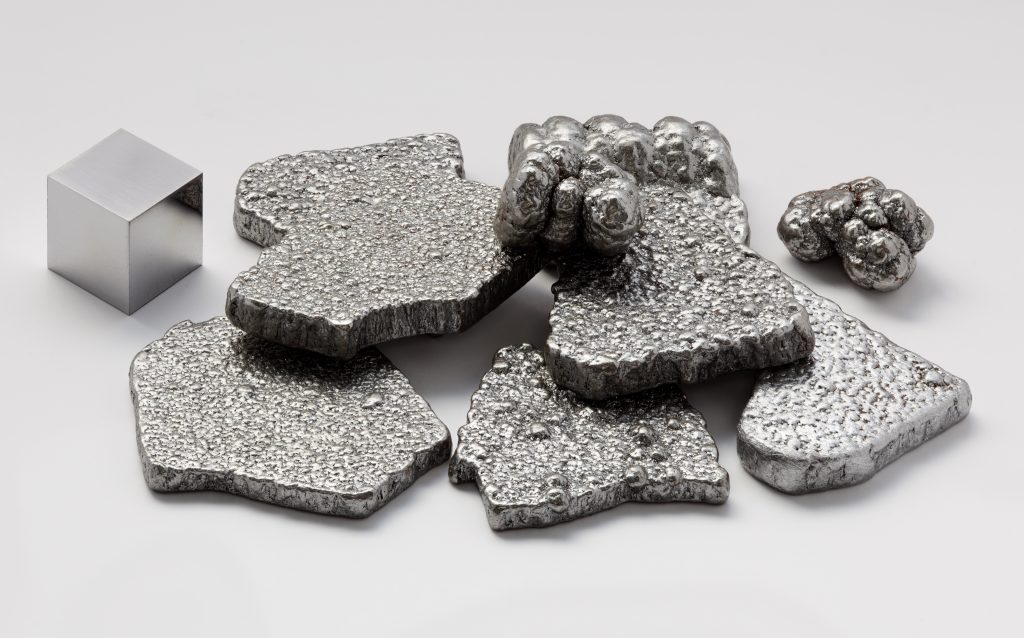
Everything About Iron Metal Characteristics and Applications
Iron, with the chemical symbol Fe and atomic number 26, is located in group 8 of the periodic table and is the first element in the transition metals series. By mass, iron is the largest element on Earth and is the fourth most abundant element in the Earth’s crust. Freshly exposed iron has a shiny silver-gray surface. Most of the iron in the crust is found in the form of iron oxide minerals such as magnetite and hematite
Iron reacts with water and oxygen to form hydrated iron oxide, commonly known as rust. Due to its excellent properties, iron is widely used in various industries
The first iron used by humans in prehistoric times came from meteorites. Smelting iron in furnaces dates back to the second millennium BC. Around 550 BC, cast iron was first produced in China
During the Middle Ages in Europe, tools were discovered that allowed the production of cast iron (wrought iron) for making jewelry through casting. In ancient times, steel, which has less carbon and more wrought iron compared to cast iron, was first produced. Over time, new methods for producing iron and steel were developed. In the late 1850s, Henry Bessemer invented a new process involving blowing air through molten cast iron to produce mild steel. These innovations led to the discontinuation of wrought iron production in the 19th century and beyond
Iron has a smooth surface with a shiny silver-gray color that turns red or brown when it reacts with oxygen and rusts. Due to its tendency to oxidize in the presence of oxygen and moisture, iron is rarely found in its pure form on Earth. To obtain metallic iron, oxygen must be removed from natural iron ores through chemical reduction
The mechanical properties of iron largely depend on its purity. Pure iron crystals are soft, so small amounts of impurities such as carbon are added to strengthen it. By adding appropriate amounts of other metals, steel is produced, which is 1000 times harder than pure iron
Iron is the most widely used metal, constituting 95% of all metal alloys produced worldwide. Due to its low cost and high strength, it is used in construction, shipbuilding, and automotive industries. Steel, one of the most famous iron alloys, is also widely used
A. Pig Iron: Contains 4-5% carbon and impurities such as phosphorus, silicon, and sulfur. Pig iron is important as an intermediate stage in the process from iron ore to cast iron and steel
B. Cast Iron: Contains 2-5.3% carbon and small amounts of manganese. Impurities in pig iron, such as phosphorus and sulfur, which negatively affect its properties, are reduced to acceptable levels. Cast iron is very brittle, hard, and strong
C. Steel: Contains 0.5-1.5% carbon and small amounts of sulfur, silicon, manganese, and phosphorus
D. Wrought Iron: Contains less than 0.5% carbon. It is not as fusible as pig iron but is tough and malleable
E. Alloy Steels: Contain varying amounts of carbon along with other metals such as vanadium, molybdenum, chromium, tungsten, nickel, and more
F. Iron Oxides: Used in magnetic storage in computers. Iron oxides retain their magnetic properties even when mixed with other compounds
Kala Tejarat Seven diamond Company, emphasizing diversity and distinction in its products, offers various types of high-tonnage iron ore to the market. With its iron mines, the company provides different forms of iron, including magnetite and hematite, in both granular and concentrated forms, tailored to customer needs. Increased production capacity and the use of advanced crushing and grading technologies have enabled the company to offer products with distinct quality and competitive prices. For price inquiries and order placement, contact us for the sale of magnetite and hematite soil, concentrate, and pellets
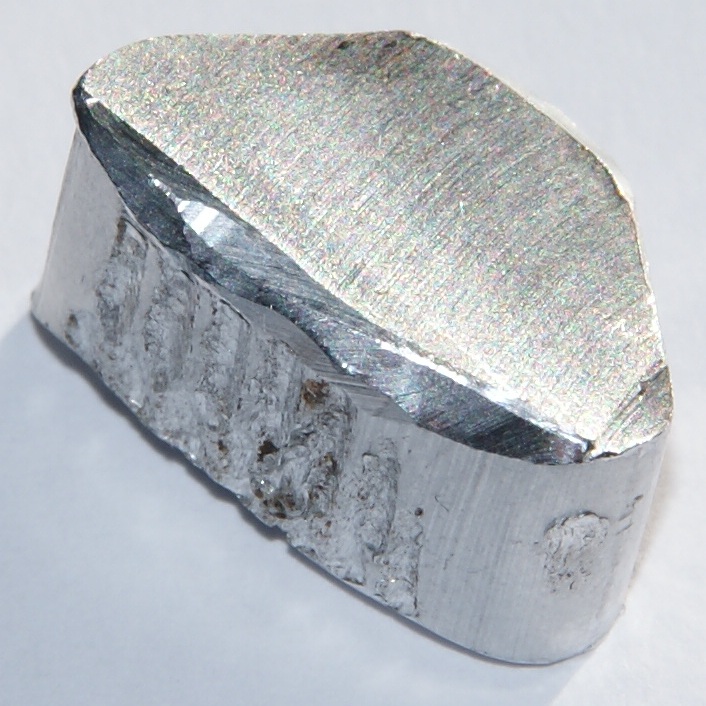
What is Aluminum and Its Applications in Industries
Aluminum, with the chemical symbol Al and atomic number 13, is located in the boron group of the periodic table. It is the third most abundant element after oxygen and silicon. Due to its high reactivity, aluminum is rarely found in its pure form in nature and is typically found combined with other minerals. Most of the world’s aluminum is derived from bauxite ore
Properties such as excellent malleability, good weldability, high strength-to-weight ratio, and corrosion resistance make aluminum alloys widely used in various structures and industries
Aluminum is a soft, silvery metal with a density of approximately 2770 kg/m³. It is recyclable and environmentally friendly. In fact, there is no difference between newly produced and recycled aluminum. The quality of the thin oxide layer on aluminum is directly related to its corrosion resistance. This layer forms quickly, and scratches can lead to corrosion. A thick oxide layer can be created on the surface of this reactive metal through anodizing
Aluminum is the most widely used metal after iron in terms of quality and value and is utilized in almost every industry. Aluminum alloys can be welded, pressed, machined, and hard or soft soldered. They are available in the market as building profiles, extrusions, sheets, strips, foils, wires, and rods. However, some aluminum alloys are not weldable
Methods for manufacturing aluminum components include
Cold Working
Extrusion
Die Casting
Sand Casting
Hot Working
Household Appliances: Used in the production of various household items
Transportation: Aluminum is used in the construction of airplanes, cars, ships, etc., due to its low density
Packaging: Used in packaging because it does not splinter, is non-absorbent, and non-toxic
Power Transmission Lines: The most famous aluminum conductor is ACSR
Construction: Used when factors such as engineering, lightweight properties, and corrosion resistance are important
Machinery: Aluminum oxide (alumina) is used in machinery
Rocket Fuel and Propellants: Used in rocket fuel and propellants
Moisture Insulation and Construction: Used in moisture insulation and building construction
Kala Tejarat Seven diamond Company, emphasizing diversity and distinction in its products, offers various types of aluminum, including A6, A7, and A8 ingots, in high tonnage to the market. For price inquiries and order placement, contact us for aluminum sales.
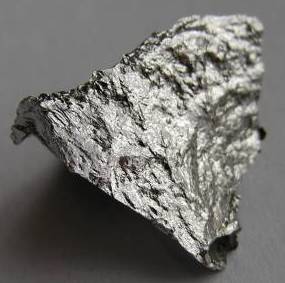
What is Manganese and Its Applications in Industries
Manganese, with the chemical symbol Mn, is located in period 4 and the transition metals group of the periodic table. Its atomic number is 25, and it is usually found near iron because it does not occur freely in nature. Its primary mineral is called pyrolusite. One of the most important applications of manganese is in the production of metal alloys, particularly stainless steel
Manganese is an essential mineral for the body, but excessive consumption can be toxic. It is found in leafy vegetables like cabbage and spinach, as well as in pineapples, nuts, and tea
The name manganese comes from the region of Magnesia in Greece, where many of its minerals were first extracted. In 1774, Johann Gottlieb Gahn first isolated manganese in an impure form
Manganese ions are used as pigments in industries due to their ability to produce various colors. Manganese dioxide is used as a cathode in alkaline batteries. In biological processes, manganese ions act as cofactors for many enzymes. Manganese enzymes are crucial for detoxifying superoxide free radicals in tissues that use elemental oxygen
Manganese is a silver-colored metal similar to iron, hard and brittle. It is difficult to melt but oxidizes easily. Manganese and its primary ions are paramagnetic. Like iron, it tarnishes slowly in air and forms rust
Manganese is widely present in the tissues of plants and animals. It is found in very small amounts in the human body, making it a trace mineral
The human body stores about 20 mg of manganese, primarily in bones. Manganese plays a role in the formation of connective tissue, bones, blood clotting factors, and proteins. It is also essential for normal brain function. Manganese is part of the manganese superoxide dismutase (MnSOD) compound, an antioxidant that protects the body from free radicals. Obtaining sufficient manganese from the diet is relatively easy
Due to its unique physical and chemical properties and economic benefits, manganese is a strategic metal used in industries such as steelmaking, iron smelting, ferroalloy production, battery manufacturing, and more. Globally, about 90% of manganese is consumed in metallurgical industries, such as steel and non-ferrous alloy production. The most significant applications of manganese in industry include the preparation of iron alloys and as a key material for producing cast iron and stainless steel, such as
Stainless Steel Rebars: 304, 316, 321, 410, 4057, 309 (heat-resistant), 310 (heat-resistant), 4PH-17
Stainless Steel Pipes: 304, 316, 321, 309 (heat-resistant), 310 (heat-resistant)
Stainless Steel Sheets: 309, 304, 310, 316, 410, 420, 430
Manganese is also used in animal feed, agricultural fertilizers, dry and chemical batteries, potassium permanganate, matchstick production, ceramics, glass, bricks, welding electrodes, ferrosilicon manganese, ferrite production, water treatment, hydrometallurgy, fuel additives, and more
Kala Tejarat Seven diamond Company, emphasizing diversity and distinction in its products, offers various types of high-tonnage manganese soil to the market. With its manganese mines, the company provides manganese soil tailored to customer needs. Increased production capacity and the use of advanced crushing and grading technologies have enabled the company to offer products with distinct quality and competitive prices. For price inquiries and order placement, contact us for manganese soil sales.
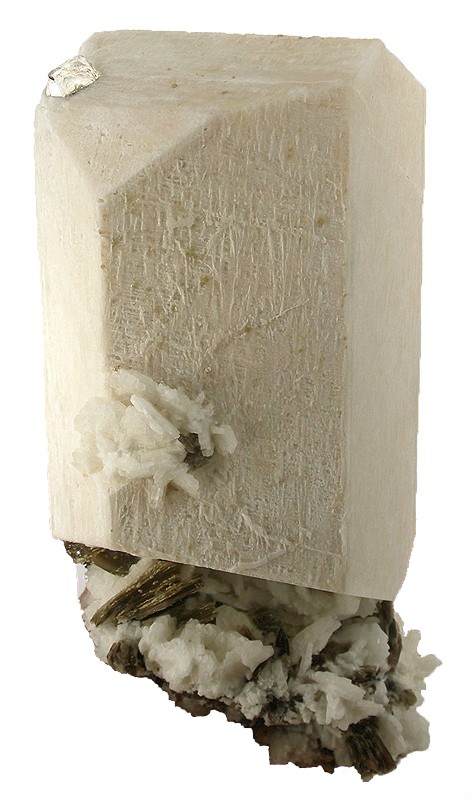
Feldspar is a naturally occurring mineral also known as feldspar. The name “feldspar” comes from the combination of two words: feld (field) and spar (spot). It is named so because these minerals create white spots in flat, desert-like environments due to weathering. Below, we will explore what feldspar is and its characteristics
If you want to know what feldspar is and its uses, you need to understand a bit about natural minerals. Feldspar refers to a wide range of silicate minerals that primarily consist of potassium, sodium, and calcium. Feldspars come in various types, with differences in their chemical composition and structural properties. For example, one of the most common and important types is sodic-potassic feldspar, known as orthoclase
Feldspars can be found in various colors, with white being the most common. Other colors include gray, light green, reddish-brown, and milky. These color variations are due to differences in the chemical and structural properties of feldspars, which also lead to a wide range of applications
Feldspar is a valuable compound for industries such as paint, plastic, adhesives, and more. Most feldspars are composed of three main minerals: albite, orthoclase, and anorthite. Key properties of feldspar include
Most feldspar minerals have two directions of perfect cleavage, which intersect at nearly right angles
The cleavage planes have almost the same slope angle for their cuts
They are also similar in weight and hardness
The weight range of most feldspar compounds is between 2.5 and 2.8
Their hardness ranges from 6 to 6.5 on the Mohs scale
Some feldspar compounds, like microcline, absorb small amounts of oil and have good resistance to acids
Two commonly used feldspars in the ceramics industry are sodic feldspar and potassic feldspar. Here are their differences
Sodic Feldspar (Albite): Chemical formula: NaAlSi₃O₈
Potassic Feldspar (Orthoclase): Chemical formula: KAlSi₃O₈
Potassic feldspar is primarily used as a fluxing agent and as a key component in ceramic products. Due to its broader applications, potassic feldspar has higher economic value compared to sodic feldspar
The main types of feldspar include
A. Sodic-Potassic Feldspar
B. Sodic-Calcium Feldspar (Plagioclase)
C. Potassium-Barium Feldspar
Feldspars have a wide range of applications, including
Glass Industry: Production of glassware, crystal glass, fiberglass, etc
Ceramic and Tile Industry: Used as an abrasive, filler, and glazing agent
Rubber Industry
Paint and Resin Industry
Foundry Industry
Production of Alumina in Road Construction Projects
Matchstick Production
Fire Extinguishing
Porcelain Production: Feldspar, along with quartz and kaolin, is a key component in modern porcelain ceramics
The most important property of feldspar is its alkaline nature. The alumina content and alkaline compounds in feldspar, particularly in potassic feldspar, make it highly useful in industries such as ceramics, glass, and paint production.
Given its wide range of applications, the feldspar market is highly competitive. When purchasing feldspar, it is crucial to ensure the quality and purity of the product. High-quality feldspar significantly impacts its efficiency and productivity in various industries
A. What is the difference between kaolin and feldspar
Kaolin is derived from feldspar. Feldspar decomposes under acidic water conditions to produce kaolin, also known as china clay
B. What is sanidine
Sanidine is a type of plagioclase feldspar, commonly used in industries, and is composed of minerals like biotite, orthoclase, scapolite, etc
C. What are the main sources of feldspar
The primary sources of feldspar include feldspathic quartzite, feldspathic sands near rivers, aplite, granite, and alaskite.
Kala Tejarat Seven diamond Company, emphasizing diversity and distinction in its products, offers feldspar to the market. For price inquiries and order placement, contact us for feldspar sales.
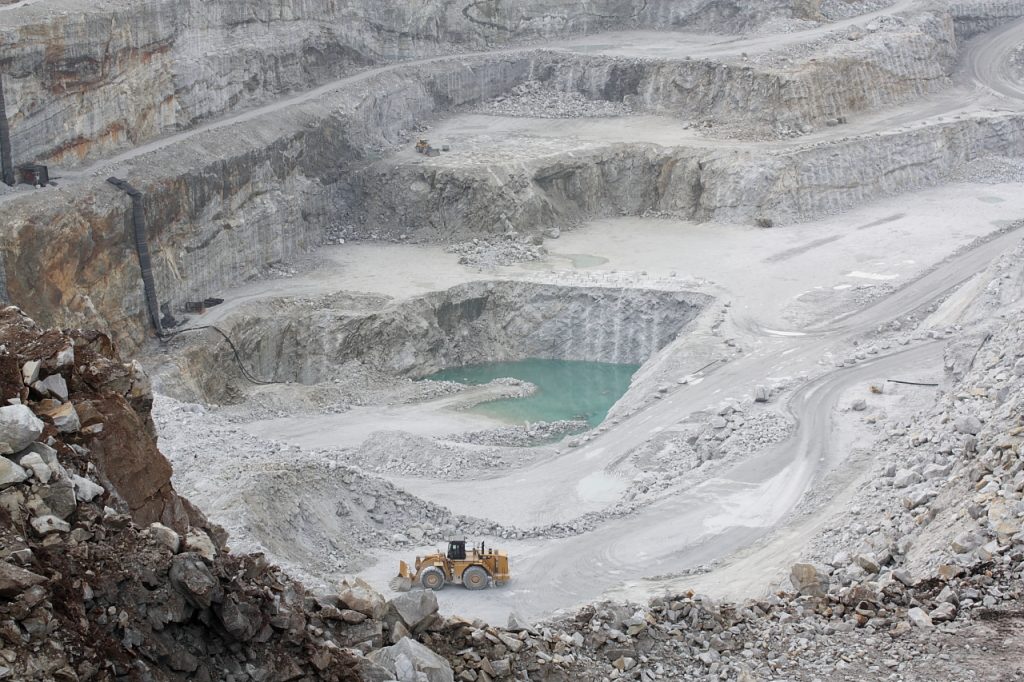
What is Lime and Its Applications in Industries
Lime, known as calcium oxide (CaO), is a versatile compound that has been used by humans for centuries. It is derived from limestone, a sedimentary rock primarily composed of calcium carbonate. When limestone undergoes a process called calcination, it is converted into lime. One of the key characteristics of lime is its alkaline nature, making it highly reactive and useful in various applications. Lime can be found in different forms, such as quicklime or hydrated lime, each with unique properties and uses
In construction, lime plays a fundamental role as a binding agent in mortar and plaster. Its ability to adhere to various materials makes it ideal for creating durable structures. Lime mortars have been used since ancient times and remain popular today due to their breathability and flexibility
Agriculture also benefits significantly from lime. By adjusting soil pH levels, lime improves nutrient availability for plants while reducing the toxicity of elements like aluminum. It also enhances soil structure by increasing porosity and water retention capacity
Additionally, lime is used in industries such as wastewater treatment, where it helps neutralize acidic effluents before they are discharged into the environment. It is also used in steel production to remove impurities from iron ore during refining. The versatility and wide range of applications make lime a valuable material across various sectors, from construction and agriculture to industrial processes
The benefits of lime are extensive, making it a valuable resource in various industries. Lime is widely used in construction as a key component in mortar and plaster. Its binding properties help create durable structures that can withstand the test of time
In agriculture, lime plays a crucial role as a soil amendment. By adjusting the pH of acidic soils, lime creates optimal conditions for plant growth. It also enhances nutrient availability and improves soil structure, leading to healthier crops and higher yields
Furthermore, lime’s alkaline nature gives it excellent disinfectant properties. It is commonly used in wastewater treatment plants to control odor-causing compounds and neutralize acidity. Lime can also be used to manage animal waste by reducing pathogens and odors
In the steel industry, lime acts as a fluxing agent during the refining process, helping remove impurities from iron ore and facilitating slag formation
Beyond industrial uses, lime is also used in household cleaning products due to its natural deodorizing and antibacterial properties. The benefits of lime span across construction, agriculture, environmental management, and production processes, contributing to efficiency, sustainability, and overall well-being
One major drawback of lime is its environmental impact. Lime production requires high energy consumption and releases significant amounts of carbon dioxide (CO₂) into the atmosphere, contributing to climate change. Additionally, the extraction and processing of limestone can negatively affect ecosystems and biodiversity
Lime is highly caustic and corrosive, posing safety hazards if not handled properly. Exposure without adequate protective measures can cause severe burns or irritation to the skin, eyes, and respiratory system
Unlike other construction materials like cement or gypsum, lime has a relatively slow reaction time. This means it may take longer to achieve desired results when using lime-based products
Lime has lower compressive strength compared to materials like cement, making it less suitable for certain structural applications
Lime-based materials are more susceptible to weathering over time compared to alternatives like cement or synthetic plasters. This vulnerability can lead to degradation and reduced lifespan of lime-based structures unless regular maintenance is performed
Despite these drawbacks, lime remains widely used in various industries, including construction, agriculture, water treatment, and chemical production, due to its unique properties and benefits
When using lime, safety should always be a priority. Here are some important guidelines for safe handling and use:
A. Personal Protective Equipment (PPE): Always wear appropriate PPE, including gloves, goggles or face shields, and dust masks or respirators
B. Proper Ventilation: Work in well-ventilated areas or use respiratory protection to avoid inhaling lime dust
C. Mixing Techniques: Mix lime with water or other materials slowly and carefully to avoid splashing and rapid heat release
D. Storage Precautions: Store lime in dry conditions away from moisture to prevent heat generation and potential fire hazards
E. Cleaning Methods: Thoroughly clean tools and equipment after use to prevent residue buildup
By following these safety measures, you can minimize risks and maximize the benefits of lime in construction, agriculture, wastewater treatment, and more.
Lime, also known as calcium oxide, is a versatile chemical compound with a range of properties that make it valuable in various industries. Here are 13 key properties of lime:
A. High Melting Point: Lime has a high melting point of approximately 2572°C, making it suitable for high-temperature applications
B. Alkalinity: Lime is alkaline and can neutralize acidic substances or adjust pH levels in soil and water
C. Reactivity: When exposed to moisture or water, lime undergoes a chemical reaction called hydration, converting it to calcium hydroxide and releasing heat
D. Absorbent Nature: Lime has excellent absorbent qualities, effectively removing pollutants like sulfur dioxide from industrial emissions
E. Disinfectant Properties: Due to its antimicrobial nature, lime is often used in cleaning and disinfecting products
F. Desiccant Abilities: Lime acts as a drying agent by absorbing moisture from the air, making it useful for preserving food or preventing mold growth
G. Bleaching Agent: Lime’s bright white color makes it an effective bleaching agent in products like toothpaste and paper
H. Oxidizing Agent: Lime can act as an oxidizing agent under specific conditions, making it useful in chemical processes
I. Binding Agent: Lime is widely used as a binding material in construction
J. Soil Amendment: Lime improves soil structure and nutrient availability in agriculture
K. Wastewater Treatment: Lime neutralizes acidic effluents and controls odors in wastewater treatment
L. Fluxing Agent: Lime removes impurities in steel production
M. Deodorizing Properties: Lime is used to neutralize odors in various applications
Kala Tejarat Seven diamond Company, emphasizing diversity and distinction in its products, offers hydrated lime with varying purities in bulk to the market. For price inquiries and order placement, contact us for hydrated lime sales
What is Silica and Its Applications in Industries
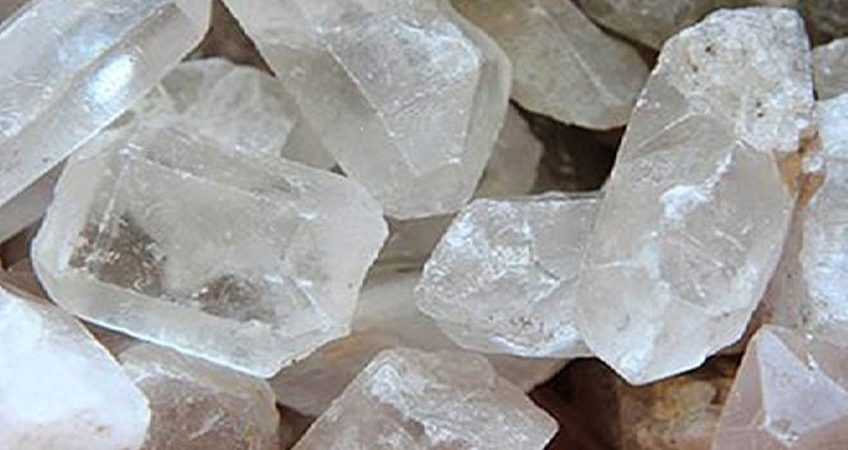
Silica, or Silicon Dioxide (SiO₂), is the second most abundant element in the Earth’s crust. It exists in both pure and combined forms in silicate minerals. Silica is a non-metallic, hard, colorless to white, or dark gray mineral. It occurs in both crystalline and amorphous forms, with its structural diversity arising from the flexibility of SiO₄ tetrahedra bonding. Silica is a primary component of sandstone, silica sand, quartz, quartzite, crystal, tripoli, novaculite, synthetic silica, chemical silicon, clay minerals, granite, flint, and diatomite. The name “silica” comes from the Latin word silicis, meaning flint or hard stone
Silica is highly resistant to heat and chemical processes, making it industrially valuable. Its earliest industrial applications likely date back to metallurgical activities and glassmaking thousands of years BC, and its use has continued throughout history
Silica is used in industries such as glass, ceramics, fillers, electronics, optics, semiconductors, lighting, infrared technology, optical fibers, computers, and communications. It is also used in porcelain production, concrete, sports turf, rice paddies, ferrosilicon production, ceramics, sand-lime brick production, foundry work, sodium silicate production, and other silica-based materials
Silica is a fundamental component of many ceramics and glasses. Pure silica (quartz) serves as a model system in studies related to ceramics and glass. It also has numerous technical applications, ranging from piezoelectric crystals to optical fibers transmitting femtosecond laser wavelengths. Advances in experimental tools, such as neutron diffraction and computational simulations, have enhanced our understanding of this abundant material
Silica is the primary component of all types of glass. Major glass products include:
Containers: Glass bottles and crystal glasses
Flat Glass: Windows, mirrors, vehicle glass, etc
Lighting Glass: Light bulbs, fluorescent tubes, etc
Tableware: Crystal, drinking glasses, etc
Television Screens: Display panels
Decorative Glass: Ornamental glass
Fiberglass: Reinforced plastic
Optical Glass: Precision lenses
Silica has a high melting point of approximately 1610°C. Metal casting involves pouring molten metal into molds made of silica sand
Fine-grained silica is a component of most clay bodies and a primary ingredient in ceramic glazes. Common products include tableware, sanitary ware, jewelry, and wall and floor tiles
Silica sand, in various grain sizes, is used to filter and purify solids from wastewater and water treatment systems. It is commonly used in swimming pools and home jacuzzis
The construction industry relies heavily on silica, with specialized applications including silica concrete blocks, floor and ceiling tiles, sealants, putty, and resin injection systems
Silica sand is used in equestrian arenas, artificial turf, golf courses, football fields, parks, and as play sand
Aquarium substrate is a critical component, as many fish dig through it for food, and plants require a stable base for root growth. Silica sand from Asia Mineral Development Company is an ideal substrate for aquariums and terrariums. It is neutral, does not release harmful silicates, and supports plant growth
Silica is used in chemical and metal production, filtration in certain industries, plastic manufacturing, artificial stone, refractory materials, and agricultural additives
A. Premium Grade Silica: Used in glassmaking, glazes, chemical industries, ferrosilicon production, fiberglass, aquarium sand, and artificial stone
B. First Grade Silica: Used in foundry sand, sandblasting, refractories, and filtration
C. Second Grade Silica: Used in sand-lime bricks, lightweight cement, and concrete production
D. Amorphous Silica: Used in silica gel production, concrete additives, optical fibers, silicones, and silicates
Silica powder is used in paints, rubber, and resins. Minor applications include putty compounds, refractory bricks, and cement. Silica sand is uniquely valuable as an abrasive in sandblasting, polishing metals, and other surfaces requiring a smooth finish. Its hardness (7 on the Mohs scale) ensures a polished and shiny surface. The fine grain size and grading of our silica sand make it the preferred abrasive for sandblasting metals, wood, glass, and more
Premium crystalline silica powder is used in toothpaste, dental polishing, industrial cleaners, jewelry and metal polishes, and automotive paint finishes. It is also used in plastics and polymers, epoxy molding compounds, and as a filler in cable coatings and other insulating applications
Silica powder is an important additive in plastics, sealants, and abrasive production. It is cheaper than organic resins used in plastics and enhances stiffness and resistance in plastic formulations. In rubber applications, silica improves abrasion resistance, such as in printing rollers. It is also widely used in slurries, sealants, and epoxy cements, where it can constitute up to 60% of the mixture
Kala Tejarat Seven diamond Company, emphasizing diversity and distinction in its products, offers various types of silica to the market. For price inquiries and order placement, contact us for silica sales
What is Mica
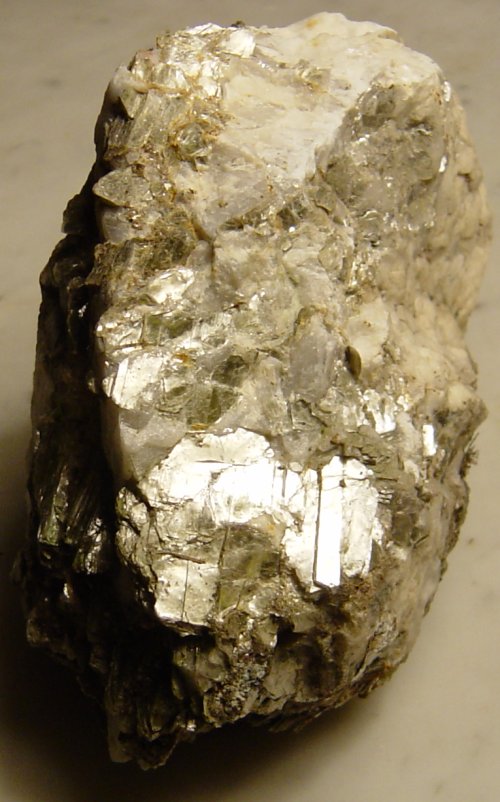
Mica is a mineral with a rich history of industrial applications. As early as 2000 BC, Indians believed mica to be a mythical medicine. From decorations in paintings, mirrors, stove windows, and impact-resistant materials in early military applications to today’s high-tech uses in construction materials, paper, plastics, paints, electronics, and more, mica has been widely utilized. The term “mica” is derived from the Latin word micare, meaning “to shine” or “to glitter.” Today, it is a general term for a group of aluminum-silicate minerals with a layered structure
The main types of mica include
A. Muscovite: Potassium-based mica, usually colorless to pale green
B. Phlogopite: Magnesium-based mica, ranging from yellow to dark brown
C. Vermiculite: Hydrated biotite, found in bronze-yellow flakes
D. Lepidolite: Lithium-based mica with a purple tint
Other micas with lesser commercial value include
Zinnwaldite: Lithium-iron-based mica, gray to brown
Biotite: Black iron-magnesium-based mica
Roscoelite: Vanadium-potassium-magnesium-based mica, which can be green to brown
Muscovite is commonly found in granites and pegmatites as a primary component of high-potassium and aluminum crystalline rocks. It is rare in volcanic rocks
The name “phlogopite” comes from the Greek word phlogopos, meaning “fire-like.” It is of secondary commercial importance but is valued for its reinforcing and thermal properties. It naturally cleaves easily, resulting in high aspect ratios and low bulk densities
Biotite forms a series with phlogopite, sharing a similar chemical formula but with iron replacing magnesium. Its high iron content, which gives it dark colors, excludes it from most industrial applications
Lepidolite is a lithium-based mica with a chemical formula showing lithium substitution for aluminum. It is industrially sought after only as a source of lithium. It is associated with granitic pegmatites and other lithium-containing minerals like tourmaline, beryl, and spodumene. Other lithium-based micas include zinnwaldite, cryophyllite, and manandonite
Vermiculites include a large number of mica-like minerals closely related to chlorites but vary widely in chemical composition. They are primarily alteration products of muscovite, biotite, and phlogopite, becoming highly hydrated while retaining their mica-like appearance but with soft, non-elastic, and flexible layers. Vermiculites derive their commercial value from their high degree of hydration, which gives them the unique quality of exfoliation or the ability to expand several times their volume when exposed to heat and the subsequent release of contained water. Due to this unique quality, vermiculites have a larger market than micas
Muscovite and phlogopite micas are highly valued for their physical, chemical, electrical, thermal, and mechanical properties. These include high dielectric strength, low expansion coefficients, resistance to extreme temperatures, and high tensile strength, making them ideal materials for electrical insulators, reinforcing agents, and high-temperature applications
Color plays a key role in market identification for micas: muscovite is lighter and used in color-sensitive applications, while phlogopite’s excellent aspect ratios after grinding enhance its value as a reinforcing additive
Kala Tejarat Seven diamond Company, emphasizing diversity and distinction in its products, offers various types of high-tonnage mica to the market. With its mica mines, the company provides muscovite and phlogopite mica in granular and powdered forms tailored to customer needs. Increased production capacity and the use of advanced crushing and grading technologies have enabled the company to offer products with distinct quality and competitive prices. For price inquiries and order placement, contact us for mica sales.

024-33336639 989925558744+
Iran - Zanjan, Chaharrah Amir Kabir, Amir Kabir Building, 2nd Floor, Unit 202
17 - 8
Kala Tejarat Haft Almas Trading Company comprises four companies registered under number 14743 at the Zanjan Provincial Office of Companies and Industrial Property Registration.