09925558744
Iran - Zanjan, Chaharrah Amir Kabir, Amir Kabir Building, 2nd Floor, Unit 202
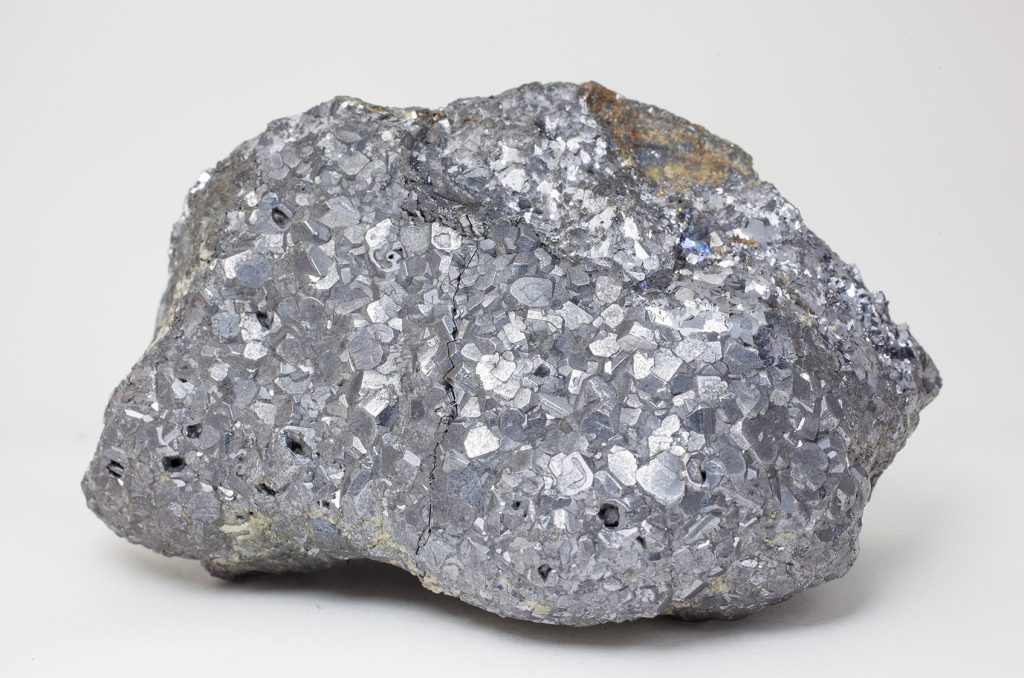
Zinc (Zn) is a chemical element classified under group 12 of the periodic table. It is the fourth most widely used metal in the world, following iron, aluminum, and copper, and has significant industrial and biological applications. Biologically, zinc is essential for both plants and animals, playing key roles in various bodily functions, including cell and enzyme production, as well as the metabolism of carbohydrates and fats. In this article, we will explore zinc in detail, including its characteristics and uses.
Zinc is a soft, non-ferrous metal with a bluish-silver color. It has low tensile strength and is categorized as a brittle metal, which limits its use in applications where strength is required. Zinc has a hexagonal crystal structure and a lower density compared to iron. It becomes ductile and malleable in specific temperature ranges (212°F to 302°F). Although zinc itself has moderate conductivity, it possesses favorable chemical properties.
Zinc has a variety of applications, including:
Zinc is produced from sulfide ores that may contain cadmium, lead, iron, silver, and others. These ores are found in countries like China, Japan, Australia, and North and South America. Two primary processes for producing zinc include:
Over 90% of the zinc produced globally is obtained through the electrolytic process, which involves several stages:
The thermal process uses ISF furnaces. However, due to high gas emissions and energy consumption, this method is less favored in Europe in favor of the electrolytic process. In this method, the dampers, zinc, and lead are produced.
The company “Kala Tejarat Haft Almas” emphasizes product diversity and differentiation by offering various types of zinc, including ore and ingots, with high tonnage. The company extracts zinc ores, including concentrate, slag, and cakes, presenting products with purity ranging from 99.96% to 99.99% based on customer requirements. Increased production capacity and the utilization of cutting-edge grinding technologies have allowed the company to offer high-quality products at competitive prices. For price inquiries and to place orders for zinc, please contact us.
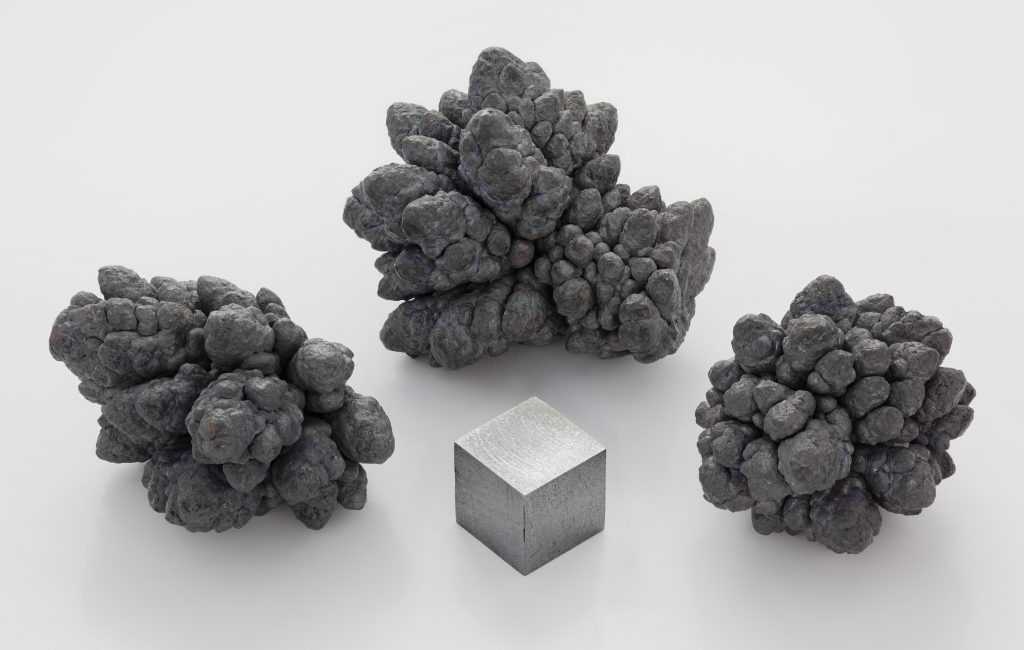
Lead, represented by the symbol Pb in the periodic table, has an atomic number of 82. It is one of the oldest metals discovered in archaeology, with the earliest lead artifacts dating back to 3500 BC found in Egypt. Lead is a soft yet very heavy metal, known for its high resistance levels, making it malleable and ductile. It has a bluish-white color but turns dark gray when exposed to air.
Lead forms alloys with numerous metals, the most important being tin, antimony, copper, bismuth, cadmium, and arsenic.
Lead is primarily found in lead ores, typically found alongside zinc ores. To extract lead, the ores are first crushed and concentrated, then roasted in rotary furnaces, followed by reduction in a blast furnace to produce crude lead, which is further refined to yield lead with a purity of up to 99.94%.
Lead is commonly utilized for storing corrosive liquids (like sulfuric acid) due to its softness, excellent casting ability, and resistance to corrosion.
Lead has several applications, notably:
Lead can be toxic and hazardous to health, posing environmental contamination risks throughout its extraction and production processes. Due to its low melting point, lead can form toxic fumes and can easily enter the human body through water, air, or food.
The company “Kala Tejarat Haft Almas” emphasizes product diversity and differentiation by offering various types of lead, including concentrate and ingots of different purities. For price inquiries and to place orders for lead, please contact us.
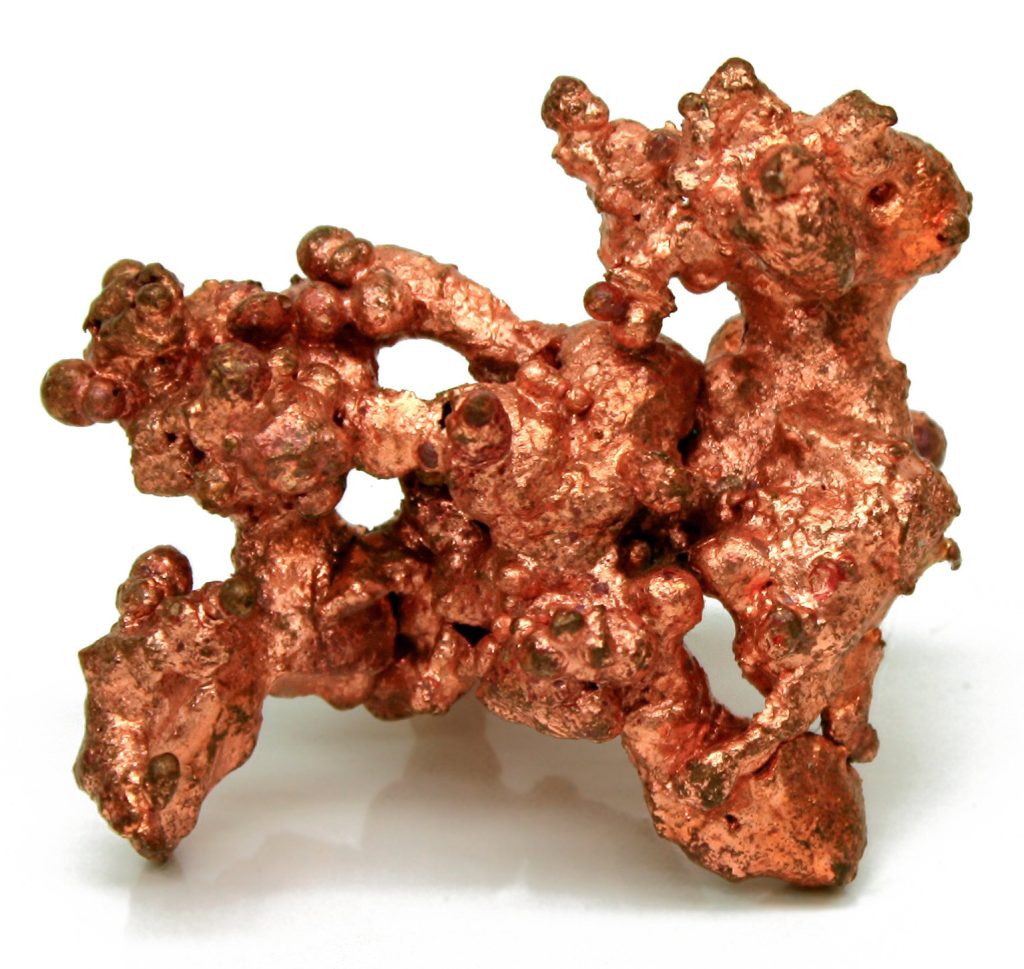
Copper, with atomic number 29 in group 11 of the periodic table, is represented by the chemical symbol Cu. Copper is known for its exceptional ductility, thermal and electrical conductivity, and malleability, making it widely used across various industries. Chile is the leading producer of copper, providing 7.5 million tons annually, while Iran supplies about 3% of the world’s copper reserves.
Copper is usually found in mineral forms. Common ores include azurite, malachite, and chalcocite (CuFeS2), covellite (CuS), and chalcosine (Cu2S) or oxides like cuprite (Cu2O). Given its highly conductive properties, copper ensures low electrical resistance in various applications.
Copper is often used in exterior and interior architectural designs, along with roofing, due to its aesthetic appeal and weather resistance.
Copper is one of the most efficient and cost-effective electrical conductors, making it the preferred metal for electrical wire and components in motors, generators, and transformers.
Copper is an essential nutrient for plant growth and is frequently used in fungicides, soil enhancements, and as an animal supplement.
Copper is beneficial in treating anemia, joint pain, and wound healing.
Copper is added to alloys to enhance corrosion resistance and strength.
The company “Kala Tejarat Haft Almas” emphasizes product diversity and differentiation by supplying various forms of copper, including concentrates, ingots, sheets, and cathodes in different purities. For price inquiries and to place orders for copper, please contact us.
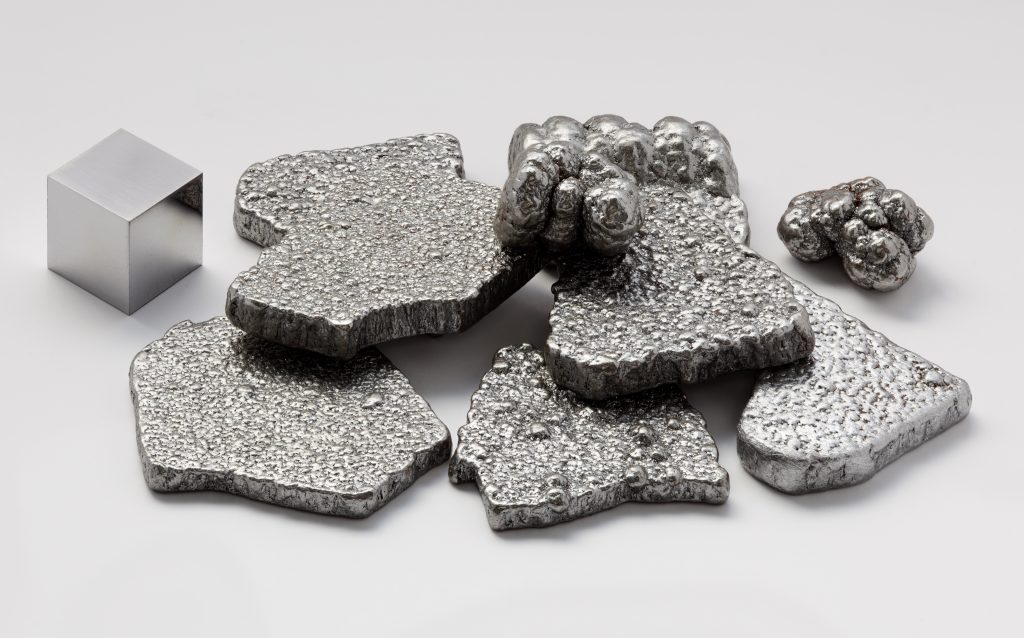
Iron, represented by the symbol Fe with atomic number 26, is found in group 8 of the periodic table, and is the most abundant metal in the Earth’s crust. Its bright silver-gray surface oxidizes when exposed to air and moisture, resulting in rust. Iron is primarily found as iron oxide minerals, including magnetite and hematite.
The first iron discovered and utilized by humans likely came from meteorites, as smelting techniques developed around the second millennium BC.
Iron appears bright silver-gray with excellent magnetic properties, though it is rarely found in a pure state due to its high reactivity with oxygen and moisture. Pure iron’s softness necessitates alloying, often with carbon, while impurities create various forms of steel.
Iron boasts the most extensive range of applications, constituting 95% of the world’s metal alloys due to its low cost and high strength. Its major uses include:
The company “Kala Tejarat Haft Almas” emphasizes product diversity and differentiation by offering various iron ores in high tonnage. For price inquiries and to place orders for iron, please contact us.
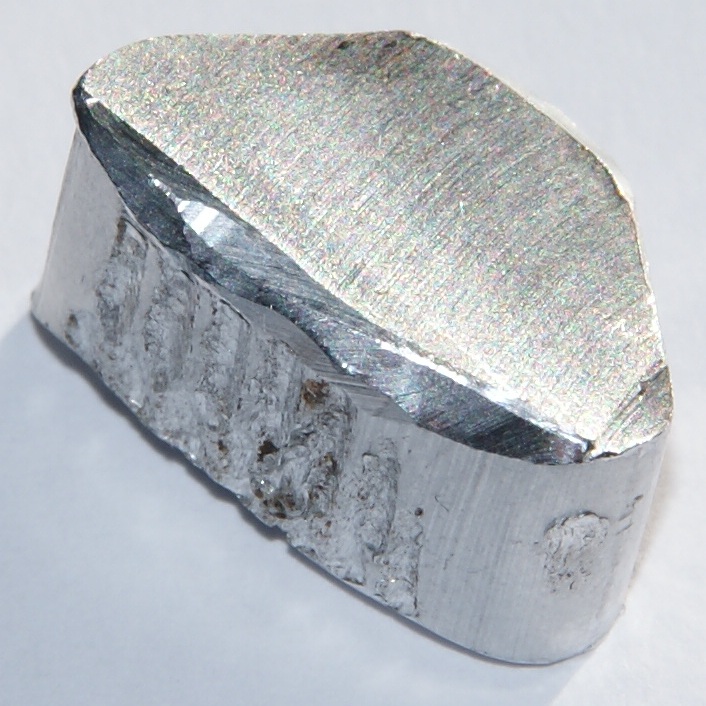
Aluminum, symbolized by Al and with atomic number 13, is the third most abundant element in the Earth’s crust, identified for its low density and exceptional resistance to corrosion. Aluminum is commonly extracted from bauxite.
Aluminum is soft with a silver-gray hue and has excellent ductility, making it versatile for a variety of applications. Its ability to form strong, lightweight alloys renders it desirable in construction and manufacturing.
The company “Kala Tejarat Haft Almas” emphasizes product diversity by offering various aluminum forms including ingots with varying purities. For price inquiries and to place orders for aluminum, please contact us.
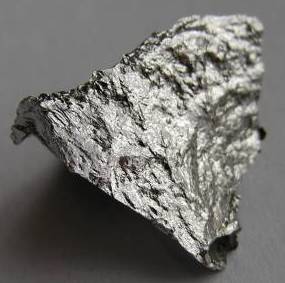
Manganese, symbolized by Mn, has atomic number 25 and is commonly associated with iron ores, often found in pyrolusite. Despite being rare in free form, manganese is essential for the production of high-value metals, particularly stainless steel.
Manganese is found abundantly in food sources, making its intake crucial for health, particularly for metabolic functions and bone health. It also plays a role in the antioxidant activity within the body.
Manganese is essential in metal production processes, accounting for 90% of its use in the metallurgical sectors. It is particularly significant for:
The company “Kala Tejarat Haft Almas” emphasizes product diversity by supplying manganese ore with high tonnage to meet customer needs. For price inquiries and to place orders for manganese, please contact us.
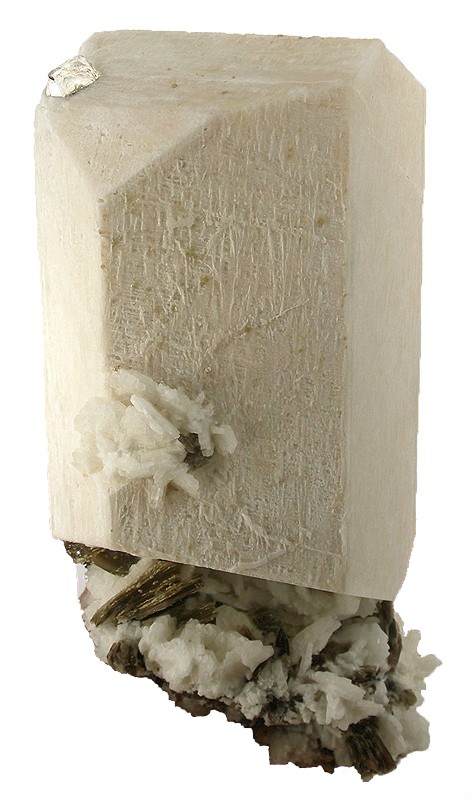
Feldspar, sometimes referred to as “feldspars,” is a group of rock-forming minerals abundant in the Earth’s crust. They are primarily composed of sodium, potassium, and calcium, with various types distinguished based on their chemical makeup.
The most commonly referenced types include:
Feldspar minerals exhibit perfect cleavage along specific planes and demonstrate a hardness of 6-6.5 on the Mohs scale. They typically have a density of 2.5-2.8.
Feldspar is utilized extensively across various industries:
The company “Kala Tejarat Haft Almas” emphasizes product diversity by selling various types of feldspar based on customer specifications. For price inquiries and to place orders for feldspar, please contact us.
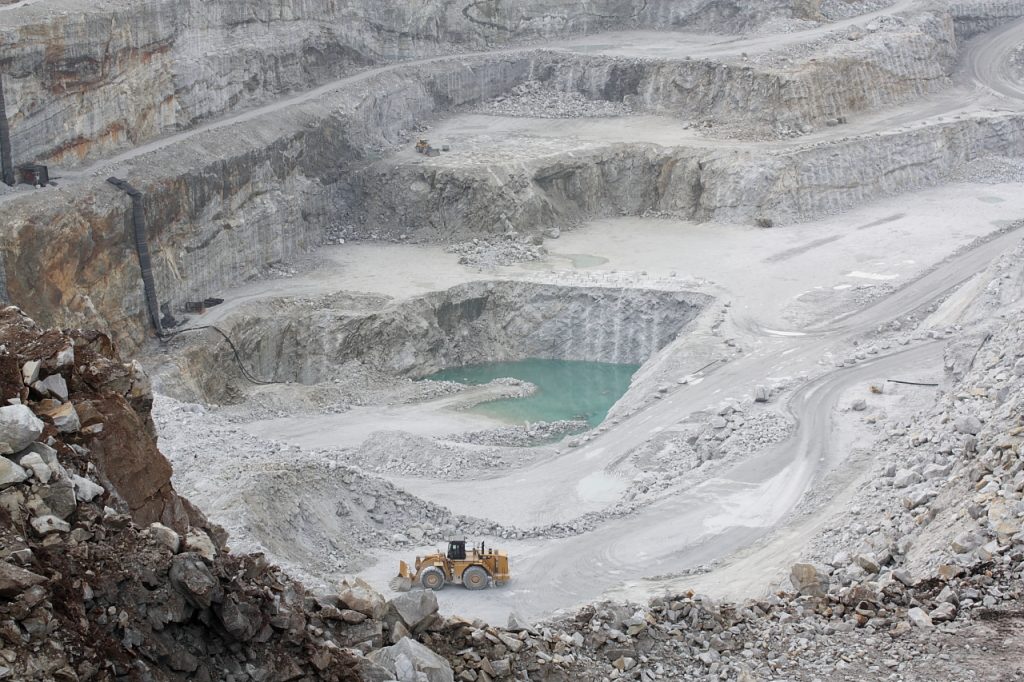
Lime, commonly referred to in its hydrated and quick forms, is a chemical compound essential in construction, agriculture, and other industrial processes. Obtained from limestone, lime is recognized for its alkaline characteristics.
Lime has several unique properties, including being a strong binder in construction, an effective pH regulator in agriculture, and capable of treating wastewater.
The company “Kala Tejarat Haft Almas” provides different types of lime in bulk for customers. For price inquiries and to place orders for lime, please contact us.
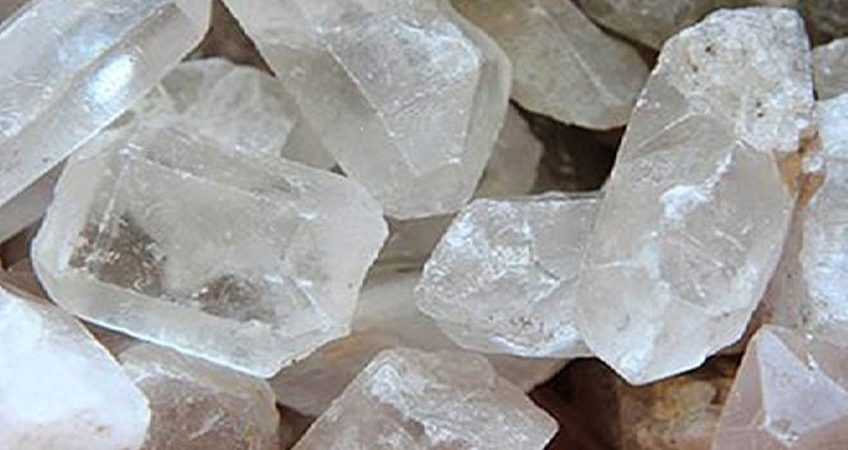
Silica, primarily in the form of silicon dioxide (SiO2), is the second most abundant compound in the Earth’s crust. Silica is a vital component of glass production, as well as a key ingredient in ceramics, refractories, and constructions.
Silica is found in various forms, including:
The company “Kala Tejarat Haft Almas” markets various grades of silica based on customer requirements. For price inquiries and to place orders for silica, please contact us.
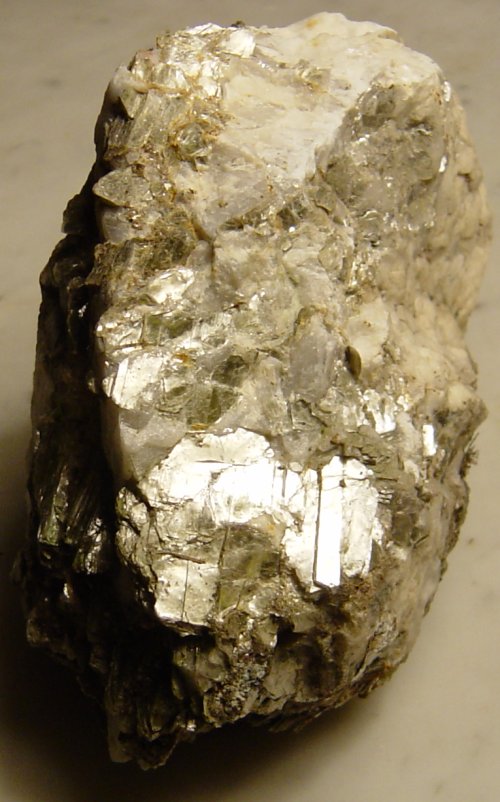
Mica is a mineral known for its unique flaky structure. Its name is derived from the Latin “micare,” meaning “to shine.” Mica serves multiple roles, particularly in electrical insulation and as a lubricant in manufacturing processes.
Mica is utilized in:
The company “Kala Tejarat Haft Almas” focuses on advancing product diversity by supplying various types of mica in powdered and granular forms. For price inquiries and to place orders for mica, please contact us.
024-33336639 989925558744+
Iran - Zanjan, Chaharrah Amir Kabir, Amir Kabir Building, 2nd Floor, Unit 202
17 - 8
Kala Tejarat Haft Almas Trading Company comprises four companies registered under number 14743 at the Zanjan Provincial Office of Companies and Industrial Property Registration.