09925558744
Iran - Zanjan, Chaharrah Amir Kabir, Amir Kabir Building, 2nd Floor, Unit 202
What is Iron Ore?
Approximately 5% of the Earth’s crust is composed of iron ore or Iron Ore. This rock contains veins of iron metal (Fe), which make up about 20% of each piece of iron ore. 98% of the iron ore extracted worldwide is used for steel production. This not only enhances the strength and durability of the metal but also creates a stainless, wear-resistant, and corrosion-resistant alloy containing at least 50% of the element. Iron ore is one of the most important raw materials in the steel industry, and Gereft Company, as one of the leading companies in this field, plays a significant role in meeting domestic and international needs. Below, you can learn about the extraction process and applications of iron ore.
Iron Ore and Its Applications
Iron ore is one of the most common and widely used types of mineral rocks, with more than 20% of it composed of iron. After extraction and processing, it is used as a raw material for steel production in Iranian steel plants. When extracted, the ore is impure and has a low grade, requiring purification. Therefore, it undergoes processing and is concentrated in several stages to increase its iron content.
Over 98% of the world’s iron ore is used for steel production. As a result, it is utilized in major industries such as automotive, construction, bridge and railway construction, household appliances, and more. Other applications of iron ore include coal washing, concrete and cement production, and pigment manufacturing.
How is Iron Ore Extracted?
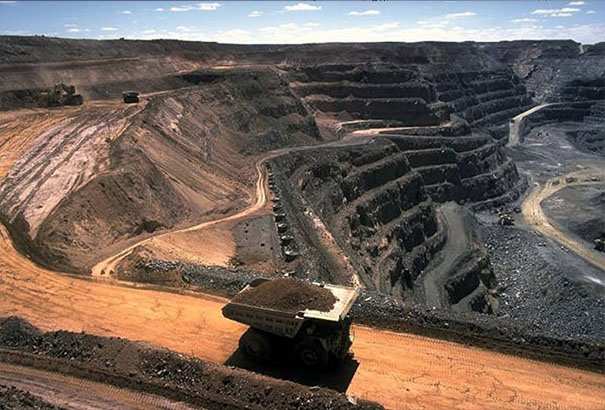
In Iran, iron is typically extracted using the open-cut system, which is not very complex. This is because iron ore deposits are not far from the Earth’s surface and are usually found at depths of a few meters. However, underground mining methods can also be used. Generally, iron ore extraction is carried out in the following four stages:
Drilling
Initially, several holes are drilled into the ground using drilling equipment. The holes must be drilled with a specific pattern and depth and filled with explosives. This prepares the site for the next stage: blasting.
Blasting
The blasting stage is conducted to break up the rocks and access the iron ore deposits. Before blasting, the area must be cleared, and all personnel must be directed to a safe location. The most common explosives used in iron ore extraction are emulsions and mixtures of ammonium nitrate and fuel oil.
Loading
To load the crushed rocks from the previous stage, shovels and trucks are used. Shovels collect the rocks from the ground and transfer them into trucks.
Transportation
The iron ore must be transported to processing plants after loading. Dump trucks or trucks with a capacity of 100 tons are typically used for transportation.
Iron Ore Processing Methods
Immediately after extraction, the rocks are crushed and prepared for processing through stages such as screening, grinding, sieving, and washing before entering the furnace. Before any processing, the iron must be purified and separated from the rocks. But what are iron ore lumps? Lumps are large pieces of iron ore, with most other types being used in steelmaking. These lumps are crushed into pieces with dimensions of 342 microns during the crushing stage.
The iron ore pieces are then ground again and separated from the rocks using gravity separation and magnetic separation methods. Through flotation and magnetic separators, the iron content is increased to over 60-65%. This prepares the ore for entry into the furnace. After being baked in the furnace, the pieces are converted into concentrated iron and pellets, which are then sent to smelting plants to be transformed into pure iron.
Specifications of Iron Ore
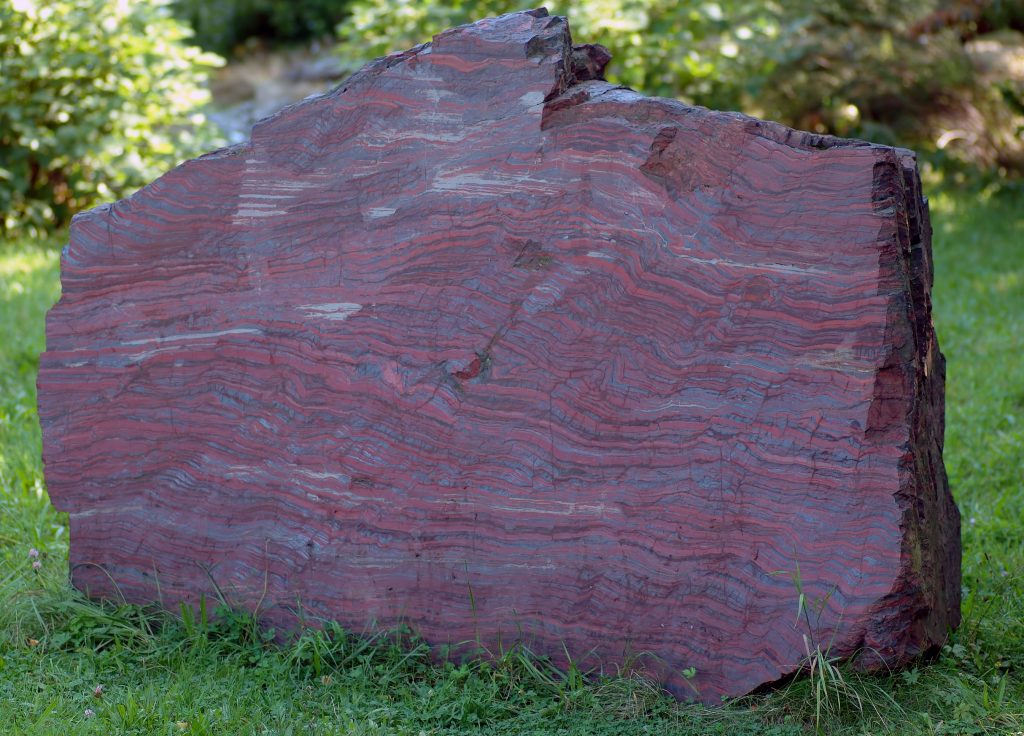
The most important specifications of iron ore include its appearance and color, type of iron ore, purity or iron grade, and more. For example, hematite extracted from the Earth has an iron grade of 69.9%. These specifications also influence the applications of iron ore. Hematite is primarily used in applications such as stainless steel production and pigments. Depending on the grade and applications of different types of iron ore, their prices also vary.
Types of Iron Ore in Iran
The types of iron ore found in Iran include four main types: magnetite, titanomagnetite, heavy hematite, and pisolitic iron ore. To identify different types of iron ore, their appearances can be compared. Magnetite is usually black, dark gray, or brown, and sometimes has a matte appearance with a dark purple hue. Hematite can be easily identified by the red streak it leaves when scratched. This type of iron is found in nature with colors such as red, brown, black, silver, and dark gray. Some other types of iron ore are yellow and occasionally white.
The Best Iron Ore Mines in Iran
Due to its numerous and rich mines, Iran is known as the paradise of mines in the world. According to estimates, Iran holds about 37 billion tons of the world’s iron ore and copper reserves. Despite the abundance of mines, the following mines can be introduced as the best iron ore mines in Iran:
Gol Gohar Iron Ore Mine
Chadormalu Iron Ore Mine
Ahangaran Iron Ore Mine
Jalalabad Iron Ore Mine
Bafq Iron Ore Mine
Bijar Iron Ore Mine
Factors Influencing Iron Ore Prices
The price per kilogram of iron ore is influenced by various factors, such as pricing strategies of major companies, the exchange rate of the US dollar, steel prices, and the supply and demand in the market. Therefore, an increase in demand and a decrease in supply create shortages in the market, leading to price hikes. Additionally, the rise in the dollar exchange rate affects the cost of raw materials, production expenses, and the inclination of mining companies to increase exports and foreign currency earnings, further fueling this trend. Steel prices, as the primary raw material for producing steel products using iron ore, also impact the value of iron ore in the market. Finally, the decisions and activities of some major global companies and producers, such as China, Australia, and Brazil, influence iron ore prices on a global scale.
Export Price of Iranian Iron Ore
The export price of Iranian iron ore diverged from domestic market prices in the 2000s after iron ore prices were mandated by the government. Increased exports to China and the emergence of private and small-scale mines further exacerbated this trend, creating a significant gap between export and domestic iron ore prices. As a result, exported iron ore is now traded at a different price compared to the domestic market.
Supply and Demand of Iron Ore
The supply and demand of iron ore are among the most critical factors in determining global steel prices and can cause fluctuations in steel product prices worldwide. For example, in the past six months, due to reduced demand for iron ore in China, global prices dropped, leading to a decline in steel market prices.
024-33336639 989925558744+
Iran - Zanjan, Chaharrah Amir Kabir, Amir Kabir Building, 2nd Floor, Unit 202
17 - 8
Kala Tejarat Haft Almas Trading Company comprises four companies registered under number 14743 at the Zanjan Provincial Office of Companies and Industrial Property Registration.