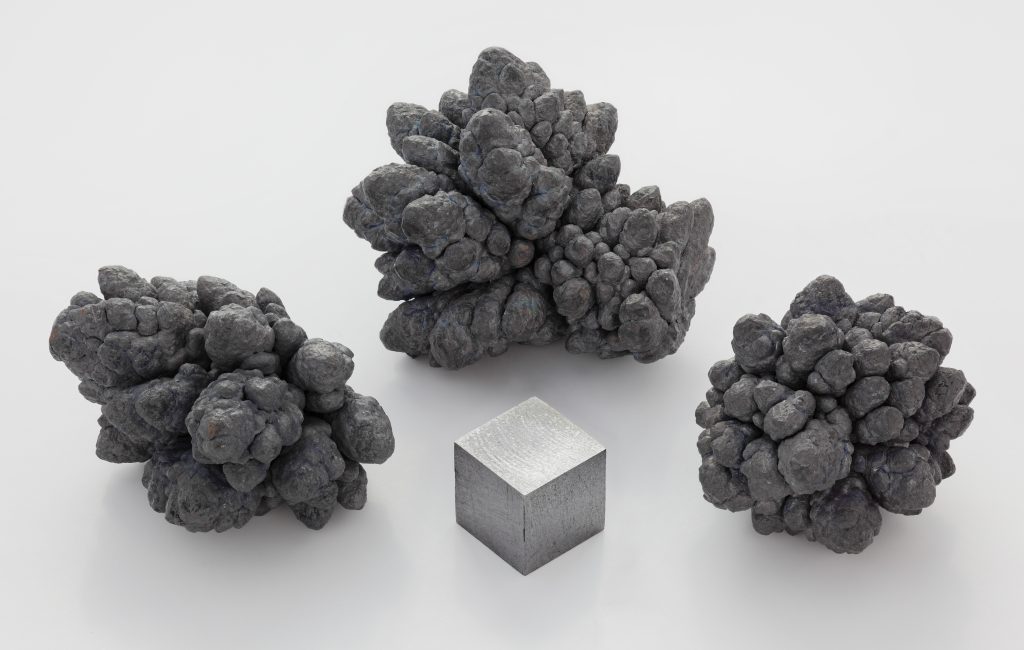
Lead is one of the elements in the periodic table of Mendeleev, abbreviated as Pb. Its atomic number is 82. Lead is one of the oldest metals discovered in archaeology, with the oldest pieces dating back to 3500 BC found in Egypt, which are housed in the British Museum.
Lead is a soft yet very heavy metal known for its high resistance, making it malleable and ductile. It has a bluish-white color that turns dark gray when exposed to air. This heavy metal is the heaviest stable element in the periodic table and is toxic.
Lead can alloy with many metals, with the most significant ones being tin, antimony, copper, bismuth, cadmium, and arsenic.
Lead is discovered in mines, and lead and zinc ores are often found together, with up to 70% being extracted jointly. To extract lead from lead ore, the ore is first crushed thoroughly. After concentration, it is roasted in rotary kilns. Then, the roasted lead is reduced in a blast furnace, producing raw lead with a purity of about 9%. Afterward, the raw lead is refined to yield lead with a purity of 99.94%.
Due to its softness, high castability, suitable fluidity, and high resistance to corrosion, lead is used for storing caustic substances like sulfuric acid.
As previously mentioned, lead possesses unique characteristics that allow for its use in various industries. Here are some significant applications of lead:
Lead can contaminate the environment throughout all stages of extraction and production, posing serious health risks if protective measures are not implemented. Due to its low melting point, lead can easily produce toxic fumes, which can enter the human body through water, air, and food.
Kala Tejarat Haft Almas Company emphasizes diversity and differentiation in its products by offering various forms of lead, including lead ore, concentrate, and ingots with different purities. For price inquiries and order placements for lead sales, please contact us.